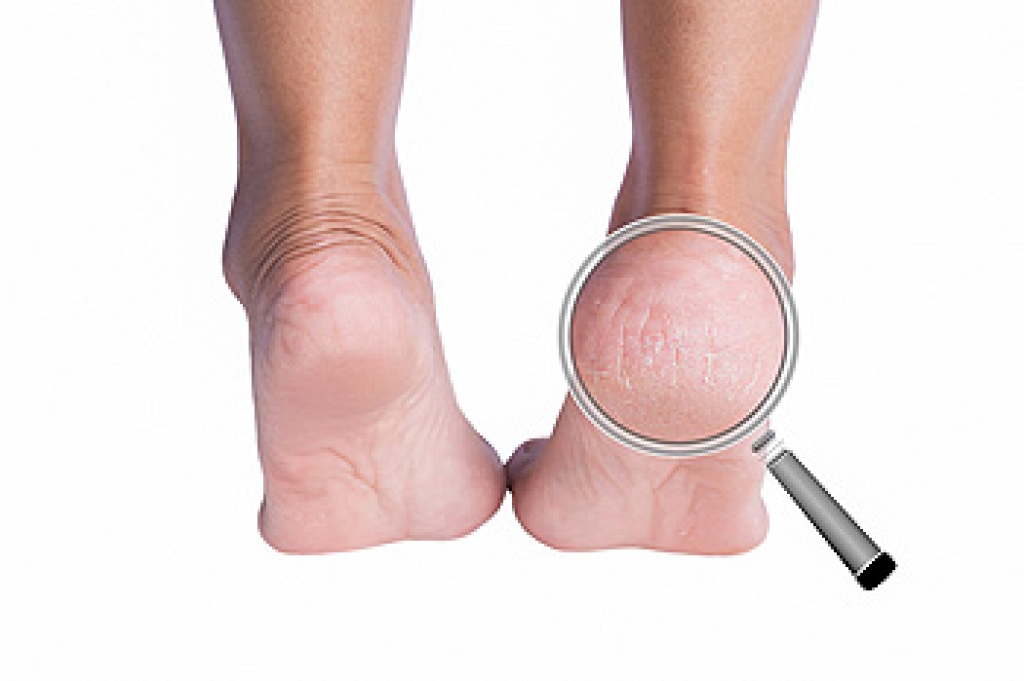
How Podiatrists Treat Painful Cracked Heels

Cracked heels develop when the skin around the heel becomes very dry, thick, and less flexible. As the skin loses moisture, it can split and form painful cracks. These cracks can become deeper when pressure is placed on the heel while walking or standing. Dry weather can contribute to cracked skin, but other factors can also play a role. Open-heeled shoes, shoes that do not fit properly, and certain health conditions can increase the risk. Severe cracks can become sore and allow germs to enter the skin. A podiatrist can examine the heels and determine why the skin is cracking.

A podiatrist can evaluate the condition of the skin and look for signs that the cracks are deeper or becoming irritated. Professional care can include removing thickened skin from the heel and recommending appropriate products to improve the skin’s condition. A podiatrist can also assess how pressure is placed on the heel when walking and determine whether foot structure or footwear is contributing to the problem. If cracked heels are linked to an underlying health condition, the podiatrist can consider that factor when developing a treatment plan. Severe or persistent cracks deserve professional attention because damaged skin can be more vulnerable to infection.

Cracked heels can cause pain, tenderness, and difficulty walking when the splits become deep. A podiatrist can monitor the affected skin and help manage problems that interfere with normal foot function. Professional treatment can also focus on protecting the heel while the skin heals and addressing factors that contribute to repeated cracking. Patients with severe cracks or symptoms that do not improve should have the area evaluated. A podiatrist can determine whether additional treatment is appropriate and check for signs of infection or another condition affecting the skin. If you have symptoms of cracked heels, it is suggested that you make an appointment with a podiatrist for diagnosis and treatment.

If the skin on your feet starts to crack, you may want to see a podiatrist to find treatment. If you have any concerns, contact Dr. James D. McAlexander from Gig Harbor Foot and Ankle Clinic. Our doctor can provide the care you need to keep you pain-free and on your feet.

Cracked Heels

It is important to moisturize your cracked heels in order to prevent pain, bleeding, and infection. The reason cracked heels form is because the skin on the foot is too dry to support the immense pressure placed on them. When the foot expands, the dry skin on the foot begins to split.

Ways to Help Heal Them

  • Invest in a good foot cream
  • Try Using Petroleum Jelly
  • Ease up on Soaps
  • Drink Plenty of Water

Ways to Prevent Cracked Heels

  • Moisturize After Showering
  • Skip a Shower
  • Keep Shower Water Lukewarm
  • Don’t Scrub Your Feet

If you are unsure how to proceed in treating cracked heels, seek guidance from a podiatrist. Your doctor will help you with any questions or information you may need. 

If you have any questions, please feel free to contact our office located in Gig Harbor, WA . We offer the newest diagnostic and treatment technologies for all your foot care needs.

Read more about Solutions for Cracked Heels

When Heel Pain May Be Plantar Fasciitis

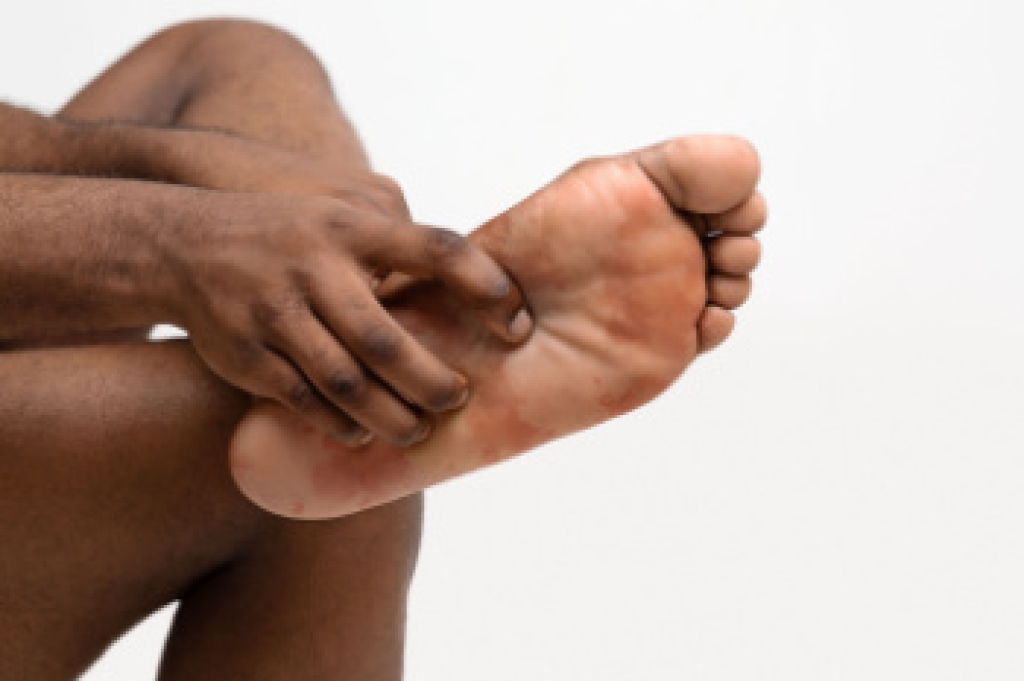
Plantar fasciitis is one of the most common causes of heel pain. It affects the plantar fascia, a strong band of tissue that runs along the bottom of the foot and connects the heel bone to the toes. This tissue helps support the arch and absorbs stress during walking. When it becomes irritated or inflamed, pain can develop, especially near the heel. Many people notice sharp discomfort with their first steps after getting out of bed or after sitting for a long period of time. The pain may improve with movement but often returns after standing or walking for extended periods of time. Because heel pain can have several causes, a professional evaluation is important to determine whether plantar fasciitis is responsible for the symptoms.


Several factors may increase the risk of developing plantar fasciitis. These include prolonged standing, repeated stress from physical activity, and foot mechanics that place extra strain on the plantar fascia. Carrying excess body weight may also increase pressure on the feet. Ongoing irritation can make daily activities more difficult and change the way a person walks. This altered movement may place additional stress on the ankle, knee, or hip. A comprehensive podiatry examination helps identify the source of heel pain while evaluating foot structure, movement, and overall function. Early diagnosis allows treatment to begin before symptoms become more persistent or interfere with normal mobility.


A podiatrist specializes in diagnosing and treating plantar fasciitis while evaluating the overall health of the feet. Professional care focuses on relieving heel pain, improving foot function, and reducing stress on the plantar fascia. Treatment is tailored to each patient's symptoms, activity level, and foot structure. Regular follow-up visits also allow recovery to be monitored and treatment plans to be adjusted as needed. If you have consistent heel pain or discomfort on the bottom of your foot, it is suggested that you consult a podiatrist for an evaluation and appropriate treatment options.

Plantar fasciitis can be very painful and inconvenient. If you are experiencing heel pain or symptoms of plantar fasciitis, contact Dr. James D. McAlexander  from Gig Harbor Foot and Ankle Clinic. Our doctor can provide the care you need to keep you pain-free and on your feet.

What Is Plantar Fasciitis?

Plantar fasciitis is the inflammation of the thick band of tissue that runs along the bottom of your foot, known as the plantar fascia, and causes mild to severe heel pain.

What Causes Plantar Fasciitis?

  • Excessive running
  • Non-supportive shoes
  • Overpronation
  • Repeated stretching and tearing of the plantar fascia

How Can It Be Treated?

  • Conservative measures – anti-inflammatories, ice packs, stretching exercises, physical therapy, orthotic devices
  • Shockwave therapy – sound waves are sent to the affected area to facilitate healing and are usually used for chronic cases of plantar fasciitis
  • Surgery – usually only used as a last resort when all else fails. The plantar fascia can be surgically detached from the heel

While very treatable, plantar fasciitis is definitely not something that should be ignored. Especially in severe cases, speaking to your doctor right away is highly recommended to avoid complications and severe heel pain. Your podiatrist can work with you to provide the appropriate treatment options tailored to your condition.

If you have any questions, please feel free to contact our office located in Gig Harbor, WA . We offer the newest diagnostic and treatment technologies for all your foot care needs.
Read more about Plantar Fasciitis

Are Bunions Affecting Your Everyday Life?

Have you noticed a bony protrusion on the side of your big toe? If so, you may have developed the foot condition known as a bunion. Don't let bunions interfere with your daily activities.

How Gout Affects the Feet and Ankles

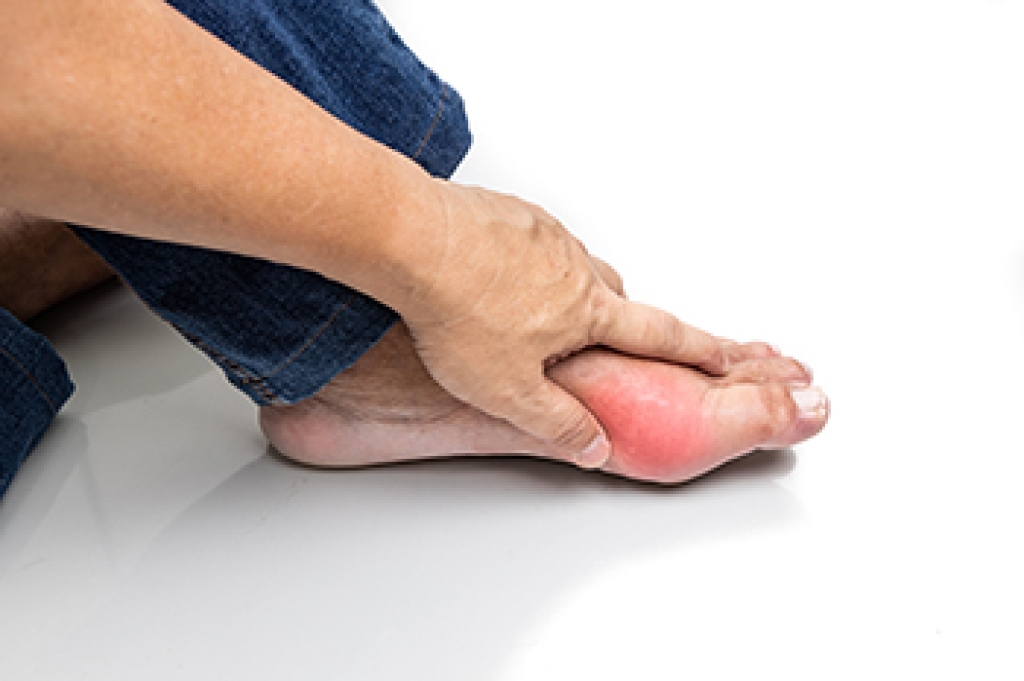
Gout is a painful form of arthritis that develops when too much uric acid builds up in the body. Uric acid is a natural waste product that usually leaves the body through the kidneys. When levels become too high, tiny crystals can collect inside a joint and trigger sudden pain, swelling, and redness. The joint at the base of the big toe is affected most often, although gout can also involve the ankle. A flare-up can begin without warning and cause pain that disturbs sleep or limits normal daily activities. Without proper treatment, repeated attacks can damage the affected joint and reduce comfort while walking.

Several factors increase the risk of gout. These include a family history of the condition, excess body weight, and certain medical conditions. A diet that is high in purines also raises uric acid levels. Purines are natural substances found in foods like anchovies, bacon, and sardines. Beer and other alcoholic drinks can also increase the chance of painful gout flares. A podiatrist can examine the affected foot, review your medical history, and order imaging or laboratory testing when appropriate. Gout symptoms can resemble those of an infection or another type of arthritis. For that reason, identifying the true cause allows treatment to begin promptly.

Treatment focuses on reducing inflammation, protecting the affected joint, and lowering the chance of future attacks. A podiatrist can recommend a treatment plan and work with other healthcare providers when additional medical management is needed. Regular follow-up visits help monitor joint health and evaluate your progress. Patients also benefit from guidance about healthy eating patterns, weight management, and limiting foods and drinks that increase uric acid levels. These steps can reduce the frequency of gout attacks and help protect the joints from lasting damage. If you have symptoms of gout, it is suggested that you schedule an appointment with a podiatrist for effective relief tips and help in managing this chronic condition.

Gout is a painful condition that can be treated. If you are seeking treatment, contact Dr. James D. McAlexander from Gig Harbor Foot and Ankle Clinic. Our doctor will treat your foot and ankle needs.

What Is Gout?

Gout is a form of arthritis that is characterized by sudden, severe attacks of pain, redness, and tenderness in the joints. The condition usually affects the joint at the base of the big toe. A gout attack can occur at any random time, such as the middle of the night while you are asleep.

Symptoms

  • Intense Joint Pain - Usually around the large joint of your big toe, and it most severe within the first four to twelve hours
  • Lingering Discomfort - Joint discomfort may last from a few days to a few weeks
  • Inflammation and Redness -Affected joints may become swollen, tender, warm and red
  • Limited Range of Motion - May experience a decrease in joint mobility

Risk Factors

  • Genetics - If family members have gout, you’re more likely to have it
  • Medications - Diuretic medications can raise uric acid levels
  • Gender/Age - Gout is more common in men until the age of 60. It is believed that estrogen protects women until that point
  • Diet - Eating red meat and shellfish increases your risk
  • Alcohol - Having more than two alcoholic drinks per day increases your risk
  • Obesity - Obese people are at a higher risk for gout

Prior to visiting your podiatrist to receive treatment for gout, there are a few things you should do beforehand. If you have gout you should write down your symptoms--including when they started and how often you experience them, important medical information you may have, and any questions you may have. Writing down these three things will help your podiatrist in assessing your specific situation so that he or she may provide the best route of treatment for you.

If you have any questions, please feel free to contact our office located in Gig Harbor, WA . We offer the newest diagnostic and treatment technologies for all your foot care needs.

Read more about Everything You Need to Know About Gout

Foot Pain From Running

As a runner, foot problems like blisters or plantar fasciitis can be frustrating. Research shows many runners face foot injuries, which disrupt their training. Blisters are caused by friction, while bunions can develop from genetics or wearing tight shoes. Plantar fasciitis, a common foot condition, brings heel pain due to inflammation. Peroneal tendonitis and neuromas are also common, affecting foot tendons and nerves. Weakness and instability in foot muscles are main causes of foot pain. Overuse can lead to soreness or injury. Strengthening exercises, including toe yoga and arch lifts, can help to prevent issues. If you are a runner and are experiencing more than soreness from a good workout, it is suggested that you schedule an appointment with a podiatrist for a consultation, as pushing through pain can worsen injuries.

All runners should take extra precaution when trying to avoid injury. If you have any concerns about your feet, contact Dr. James D. McAlexander of Gig Harbor Foot and Ankle Clinic. Our doctor will treat your foot and ankle needs.

How to Prevent Running Injuries

There are a lot of mistakes a runner can make prior to a workout that can induce injury. A lot of athletes tend to overstretch before running, instead of saving those workouts for a post-run routine. Deep lunges and hand-to-toe hamstring pulls should be performed after a workout instead of during a warmup. Another common mistake is jumping into an intense routine before your body is physically prepared for it. You should try to ease your way into long-distance running instead of forcing yourself to rush into it.

More Tips for Preventing Injury

  • Incorporate Strength Training into Workouts - This will help improve the body’s overall athleticism
  • Improve and Maintain Your Flexibility – Stretching everyday will help improve overall performance
  • “Warm Up” Before Running and “Cool Down” Afterward – A warm up of 5-10 minutes helps get rid of lactic acid in the muscles and prevents delayed muscle soreness
  • Cross-Training is Crucial
  • Wear Proper Running Shoes
  • Have a Formal Gait Analysis – Poor biomechanics can easily cause injury

If you have any questions, please feel free to contact our office located in Gig Harbor, WA . We offer the newest diagnostic and treatment technologies for all your foot care needs.

Read more about How to Prevent Running Injuries

Connect With Us

scroll to top