What Is Hagland’s Deformity?

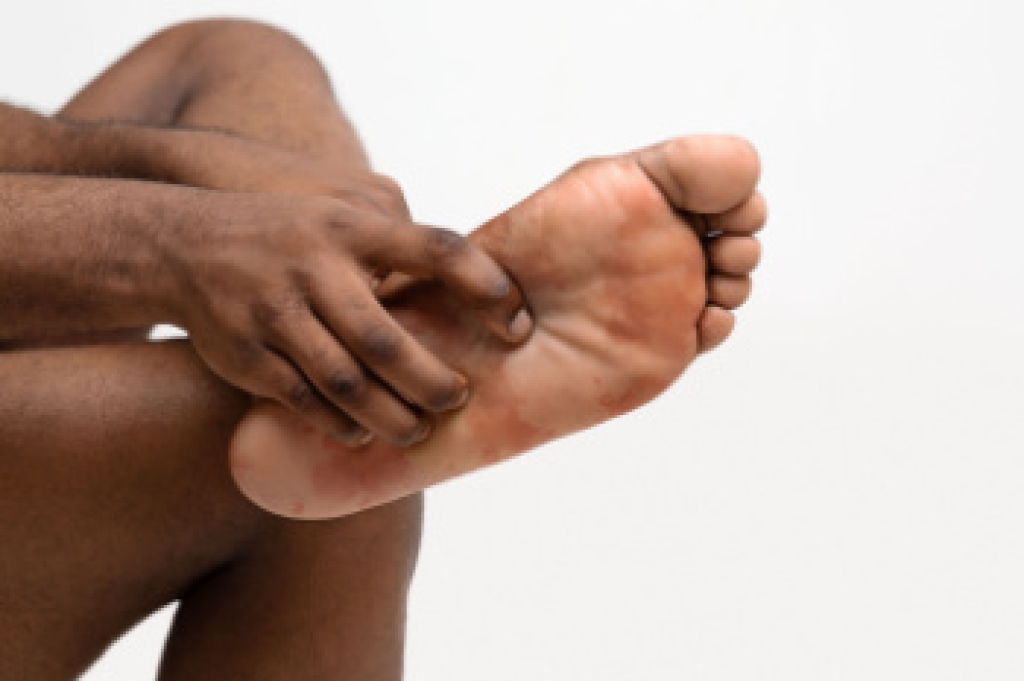
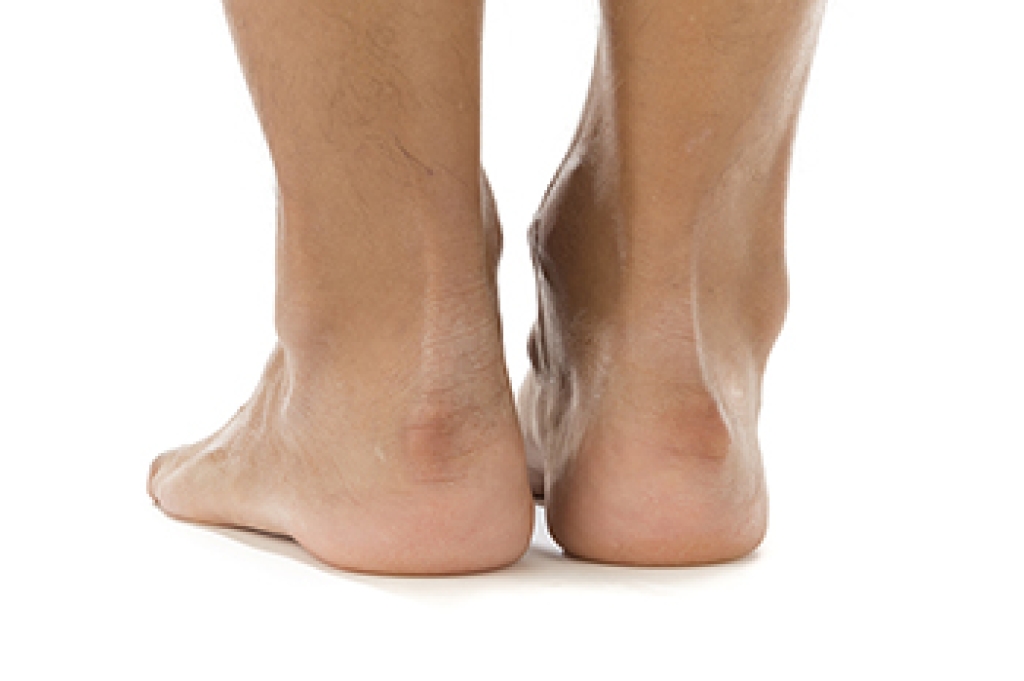
Hagland's deformity is a bony enlargement on the back of the heel that often develops where the Achilles tendon attaches. It is commonly caused by wearing rigid footwear or high heels, repetitive irritation, or inherited foot structure. This condition may look like a noticeable bump on the back of the heel, and is often accompanied by redness or swelling. It can feel sore, stiff, tender, or painful, especially when wearing closed shoes or during walking and exercise. Some people experience aching or burning sensations as the surrounding tissue becomes inflamed. A podiatrist can help from the start by performing a thorough examination, reviewing footwear habits, assessing biomechanics, and using imaging, if needed for confirmation. Treatment may include shoe modifications, padding, stretching programs, and inflammation management to relieve pressure and discomfort. Early care can prevent worsening symptoms and improve daily comfort. If you have heel pain, it is suggested that you schedule an appointment with a podiatrist for an accurate diagnose and effective treatment solutions.

Many people suffer from bouts of heel pain. For more information, contact Dr. James D. McAlexander of Gig Harbor Foot and Ankle Clinic. Our doctor can provide the care you need to keep you pain-free and on your feet.

Causes of Heel Pain

Heel pain is often associated with plantar fasciitis. The plantar fascia is a band of tissues that extends along the bottom of the foot. A rip or tear in this ligament can cause inflammation of the tissue.

Achilles tendonitis is another cause of heel pain. Inflammation of the Achilles tendon will cause pain from fractures and muscle tearing. Lack of flexibility is also another symptom.

Heel spurs are another cause of pain. When the tissues of the plantar fascia undergo a great deal of stress, it can lead to ligament separation from the heel bone, causing heel spurs.

Why Might Heel Pain Occur?

  • Wearing ill-fitting shoes                
  • Wearing non-supportive shoes
  • Weight change           
  • Excessive running

Treatments

Heel pain should be treated as soon as possible for immediate results. Keeping your feet in a stress-free environment will help. If you suffer from Achilles tendonitis or plantar fasciitis, applying ice will reduce the swelling. Stretching before an exercise like running will help the muscles. Using all these tips will help make heel pain a condition of the past.

If you have any questions, please feel free to contact our office located in Gig Harbor, WA . We offer the newest diagnostic and treatment technologies for all your foot care needs.
Read more about Heel Pain

Ankle Sprain Types and Podiatric Care

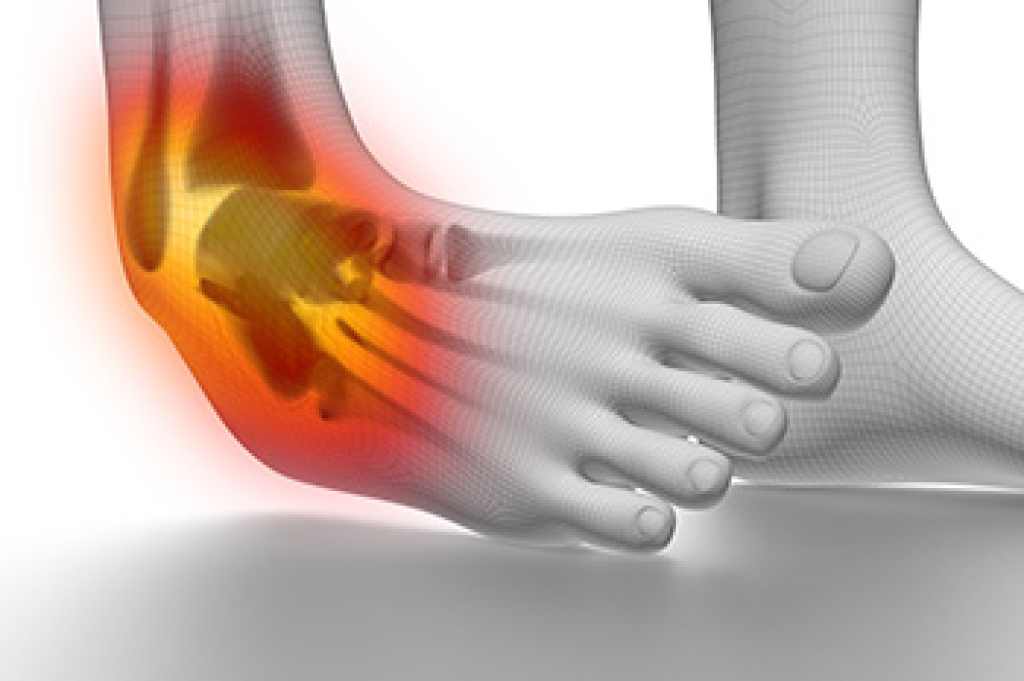
An ankle sprain occurs when the ligaments that support the ankle are stretched or torn due to sudden twisting or impact. The most common type is an inversion sprain, where the foot rolls inward and damages the outer ankle ligaments. An eversion sprain happens when the foot rolls outward, affecting the inner ligaments and often causing more severe injury. Ankle sprains are also classified by grades. A mild grade involves ligament stretching with slight pain and swelling. A moderate grade includes partial tearing, increased swelling, bruising, and difficulty walking. A severe grade involves complete ligament rupture with significant pain, instability, and loss of function. A podiatrist can help by accurately diagnosing the type and severity of the sprain, providing immobilization, if needed, guiding rehabilitation, and recommending supportive footwear or orthotics. If you have ankle pain, swelling, or difficulty bearing weight, it is suggested that you consult a podiatrist who can provide effective relief and treatment techniques.

Ankle sprains are common but need immediate attention. If you need your feet checked, contact Dr. James D. McAlexander from Gig Harbor Foot and Ankle Clinic. Our doctor can provide the care you need to keep you pain-free and on your feet.

How Does an Ankle Sprain Occur?

Ankle sprains take place when the ligaments in your ankle are torn or stretched beyond their limits. There are multiple ways that the ankle can become injured, including twisting or rolling over onto your ankle, putting undue stress on it, or causing trauma to the ankle itself.

What Are the Symptoms?

  • Mild to moderate bruising
  • Limited mobility
  • Swelling
  • Discoloration of the skin (depending on severity)

Preventing a Sprain

  • Wearing appropriate shoes for the occasion
  • Stretching before exercises and sports
  • Knowing your limits

Treatment of a Sprain

Treatment of a sprain depends on the severity.  Many times, people are told to rest and remain off their feet completely, while others are given an air cast. If the sprain is very severe, surgery may be required.

If you have suffered an ankle sprain previously, you may want to consider additional support such as a brace and regular exercises to strengthen the ankle.

If you have any questions please feel free to contact our office located in Gig Harbor, WA . We offer the newest diagnostic tools and technology to treat your foot and ankle needs.

Read more about Three Grades of Ankle Sprains

Why Live with Pain and Numbness in Your Feet?

Suffering from this type of pain? You may have the foot condition known as Morton's neuroma. Morton's neuroma may develop as a result of ill-fitting footwear and existing foot deformities. We can help.

Knowing When You Need New Running Shoes

Running shoes gradually lose their ability to protect the feet, and mileage is one of the most reliable ways to judge when replacement is needed. For many runners, shoes begin to break down between 300 and 500 miles, depending on body weight, running style, and surface. Even before visible damage appears, cushioning and stability can weaken, placing more stress on the feet and ankles. Other warning signs include uneven sole wear, reduced traction, heel breakdown, or new soreness during or after runs. Keeping a simple log of mileage can help runners avoid using shoes beyond their effective lifespan. A podiatrist can examine foot structure, walking and running mechanics, and shoe wear patterns to determine whether worn footwear is contributing to discomfort. They can also provide guidance on shoe selection and support needs based on activity level. If you experience foot pain after running, it is suggested that you make an appointment with a podiatrist for an exam and treatment options.

Exercising your feet regularly with the proper foot wear is a great way to prevent injuries. If you have any concerns about your feet, contact Dr. James D. McAlexander of Gig Harbor Foot and Ankle Clinic. Our doctor will treat your foot and ankle needs.

How to Prevent Running Injuries

Many common running injuries are caused by overuse and overtraining. When the back of the kneecap starts wearing out and starts causing pain in your knee, this is commonly referred to as runner’s knee. Runner’s knee is a decrease in strength in your quadriceps and can occur if you’re not wearing properly fitted or supporting shoes. To prevent runner’s knee, focusing on hip strengthening is a good idea, as well as strengthening your quads to keep the kneecaps aligned.

What Are Some Causes of Running Injuries? 
- One cause of a common running injury is called iliotibial band syndrome.
- Plantar fasciitis is also another common injury.
- Stress fractures can occur from overtraining, lack of calcium, or even your running style.

Best Ways to Prevent Running Injuries
- Wear footwear that fits properly and suits your running needs.
- Running shoes are the only protective gear that runners have to safeguard them from injury.
- Make a training schedule. Adding strengthening exercises as well as regular stretching can help keep you strong and limber and can lessen the possibility of injuries.
- Stretching keeps muscles limber; this will help you gain better flexibility.

If you have any questions, please feel free to contact our office located in Gig Harbor, WA . We offer the newest diagnostic and treatment technologies for all your foot care needs.
Read more about Preventing Running Injuries

Connect With Us

scroll to top