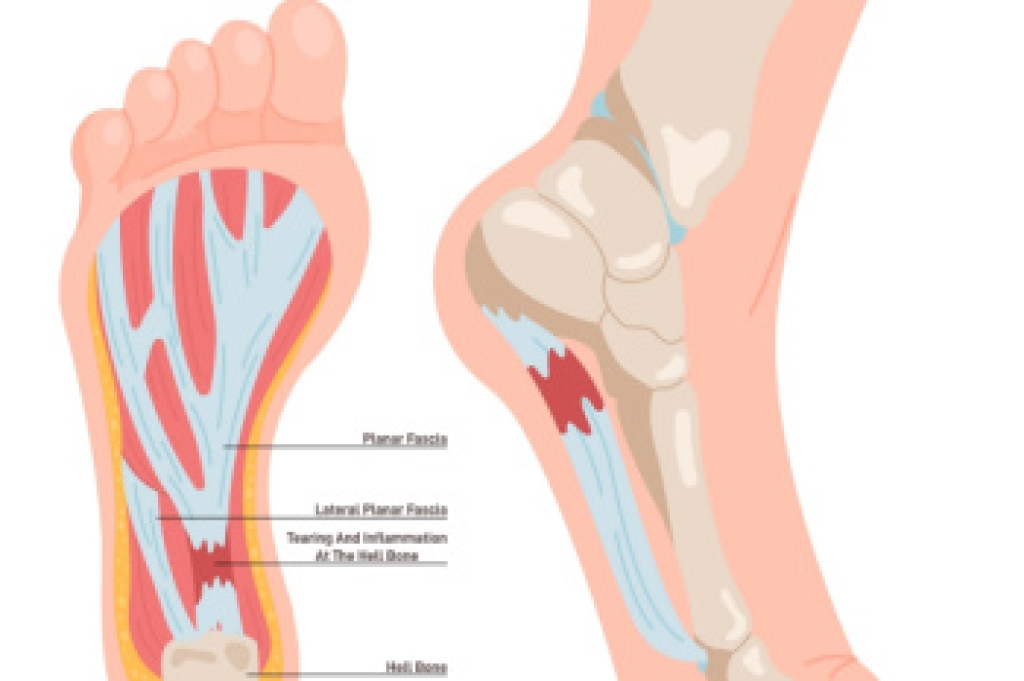
Symptoms of Plantar Fasciitis

Plantar fasciitis is an inflammatory condition involving the plantar fascia, the thick band of tissue that supports the arch and connects the heel to the toes. It is the leading cause of heel pain, and commonly presents as a sharp stabbing pain in the heel or arch, especially with the first steps in the morning or after periods of rest. Discomfort may lessen with movement, but often returns after prolonged standing or activity. Risk factors include flat feet, high arches, obesity, wearing improper footwear, and repetitive stress from running or standing for long hours. A podiatrist can provide stretching guidance, custom orthotics, and targeted treatment to relieve pain. If you have heel pain, it is suggested that you consult a podiatrist who can accurately diagnose and treat plantar fasciitis.

Plantar fasciitis can be very painful and inconvenient. If you are experiencing heel pain or symptoms of plantar fasciitis, contact Dr. James D. McAlexander  from Gig Harbor Foot and Ankle Clinic. Our doctor can provide the care you need to keep you pain-free and on your feet.

What Is Plantar Fasciitis?

Plantar fasciitis is the inflammation of the thick band of tissue that runs along the bottom of your foot, known as the plantar fascia, and causes mild to severe heel pain.

What Causes Plantar Fasciitis?

  • Excessive running
  • Non-supportive shoes
  • Overpronation
  • Repeated stretching and tearing of the plantar fascia

How Can It Be Treated?

  • Conservative measures – anti-inflammatories, ice packs, stretching exercises, physical therapy, orthotic devices
  • Shockwave therapy – sound waves are sent to the affected area to facilitate healing and are usually used for chronic cases of plantar fasciitis
  • Surgery – usually only used as a last resort when all else fails. The plantar fascia can be surgically detached from the heel

While very treatable, plantar fasciitis is definitely not something that should be ignored. Especially in severe cases, speaking to your doctor right away is highly recommended to avoid complications and severe heel pain. Your podiatrist can work with you to provide the appropriate treatment options tailored to your condition.

If you have any questions, please feel free to contact our office located in Gig Harbor, WA . We offer the newest diagnostic and treatment technologies for all your foot care needs.

Read more about Plantar Fasciitis

How Beginners Can Choose the Right Running Shoes

Buying running shoes as a beginner requires careful attention to comfort, support, and proper fit. The right pair should feel comfortable immediately, with enough room in the toe box and secure support around the heel. Look for cushioning that matches your activity level and provides shock absorption without feeling unstable. A good fit allows natural foot movement while preventing slipping or pressure points. Quality running shoes are important because they help reduce stress on joints, improve alignment, and lower the risk of common overuse injuries. Trying shoes on later in the day, when feet are slightly swollen, can improve fit. A podiatrist can assess your foot type and gait to recommend suitable options. If you have foot or ankle pain from wearing the wrong running shoes, it is suggested that you consult a podiatrist who can offer effective treatment solutions, and offer additional guidance on selecting the right running shoes.

For more information about walking shoes versus running shoes, consult with Dr. James D. McAlexander from Gig Harbor Foot and Ankle Clinic. Our doctor can measure your feet to determine what your needs are and help you find an appropriate pair of footwear.

Foot Health: The Differences between Walking & Running Shoes

There are great ways to stay in shape: running and walking are two great exercises to a healthy lifestyle. It is important to know that running shoes and walking shoes are not interchangeable. There is a key difference on how the feet hit the ground when someone is running or walking. This is why one should be aware that a shoe is designed differently for each activity.

You may be asking yourself what the real differences are between walking and running shoes and the answers may shock you.

Differences

Walking doesn’t involve as much stress or impact on the feet as running does. However, this doesn’t mean that you should be any less prepared. When you’re walking, you land on your heels and have your foot roll forward. This rolling motion requires additional support to the feet.

Flexibility – Walking shoes are designed to have soft, flexible soles. This allows the walker to push off easily with each step.

If you have any questions, please feel free to contact our office located in Gig Harbor, WA . We offer the newest diagnostic and treatment technologies for all your foot care needs.
Read more about Choosing the Right Running Shoe

Reasons Your Pinky Toe Hurts

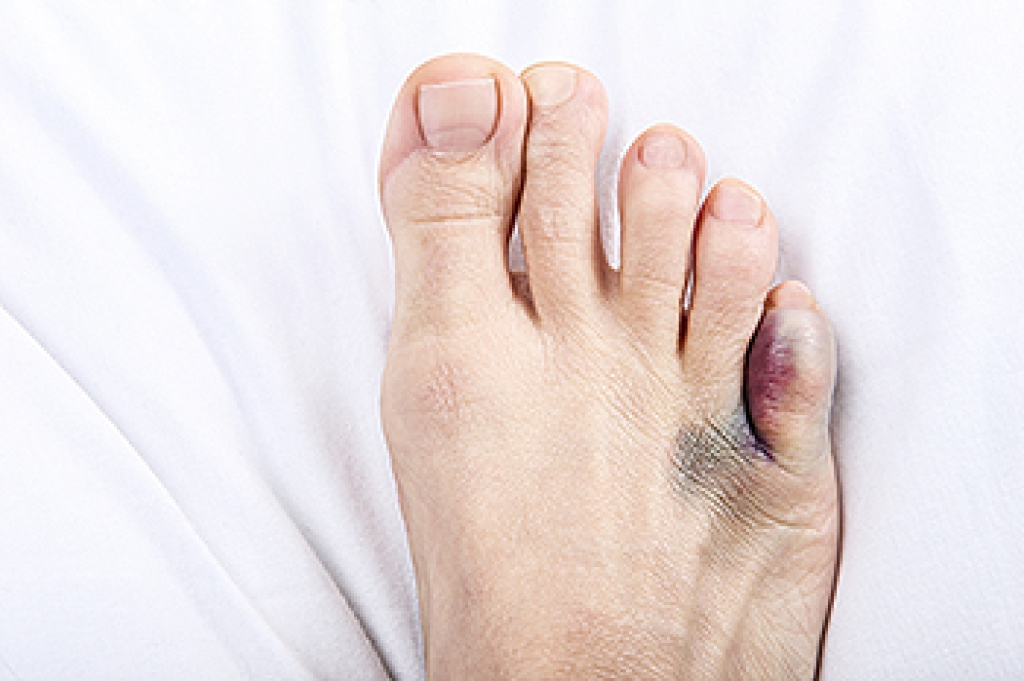
Pain in the pinky toe is common because it sits on the outer edge of the foot, where it frequently strikes objects and absorbs pressure from footwear and activity. Injuries like fractures, stress fractures, sprains, and dislocations can cause swelling, bruising, and difficulty bearing weight. Structural problems may also develop, including a tailor’s bunion, in which the fifth metatarsal shifts outward and forms a painful bump that rubs against shoes. Repeated friction can create corns and inflamed soft tissue, while certain toe deformities may place abnormal pressure on joints and nerves. A podiatrist can perform a physical examination and order the necessary imaging to determine the cause. This foot doctor can also realign injured structures, relieve pressure points, and provide medical treatment to restore proper function. If your pinky toe is in pain, it is suggested that you make an appointment with a podiatrist for an exam, diagnosis, and treatment.

Toe pain can disrupt your daily activities. If you have any concerns, contact Dr. James D. McAlexander of Gig Harbor Foot and Ankle Clinic. Our doctor can provide the care you need to keep you pain-free and on your feet.

What Causes Toe Pain?

Most severe toe pain is caused due to a sports injury, trauma from dropping something heavy on the toe, or bumping into something rigid. Other problems can develop over time for various reasons.

Toe pain can be caused by one or more ailments. The most common include:

  • Trauma
  • Sports injury
  • Wearing shoes that are too tight
  • Arthritis
  • Gout
  • Corns and calluses
  • Hammertoe
  • Bunions
  • Blisters
  • Ingrown toenails
  • Sprains
  • Fractures (broken bones)
  • Dislocations

When to See a Podiatrist

  • Severe pain
  • Persistent pain that lasts more than a week
  • Signs of infection
  • Continued swelling
  • Pain that prevents walking

Diagnosis

In many cases the cause of toe pain is obvious, but in others, a podiatrist may want to use more advanced methods to determine the problem. These can range from simple visual inspections and sensation tests to X-rays and MRI scans. Prior medical history, family medical history, and any recent physical traumatic events will all be taken into consideration for a proper diagnosis.

Treatment

Treatments for toe pain and injuries vary and may include shoe inserts, padding, taping, medicines, injections, and in some cases, surgery. If you believe that you have broken a toe, please see a podiatrist as soon as possible.

If you have any questions please contact our office located in Gig Harbor, WA . We offer the newest diagnostic and treatment technologies for all your foot and ankle needs.

Read more about Toe Pain

Definition of Sever’s Disease and Risk Factors

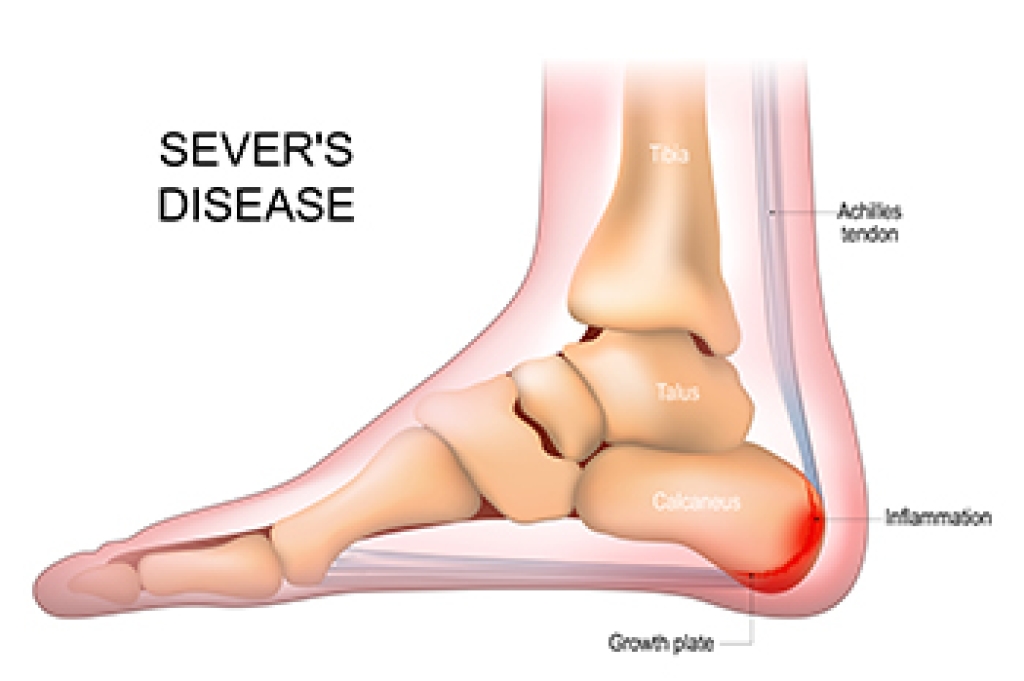
Sever’s disease is a common growth-related heel condition that affects active children and adolescents during periods of rapid development. It occurs when repetitive stress and tension irritate the growth plate at the back of the heel where the Achilles tendon attaches. Causes often include running, jumping, tight calf muscles and overuse during sports activities. Risk factors may include high activity levels, wearing improper footwear, flat feet, or rapid growth spurts. A podiatrist can help by providing an accurate diagnosis recommending activity modification, custom orthotics, stretching, guidance, and supportive footwear to reduce strain on the heel. Early care can ease pain, improve mobility, and prevent ongoing discomfort. If your active child has heel pain, it is suggested that you consult a podiatrist who can offer effective relief and management tips.

Sever's disease often occurs in children and teens. If your child is experiencing foot or ankle pain, see Dr. James D. McAlexander from Gig Harbor Foot and Ankle Clinic. Our doctor can treat your child’s foot and ankle needs.

Sever’s Disease

Sever’s disease is also known as calcaneal apophysitis, which is a medical condition that causes heel pain I none or both feet. The disease is known to affect children between the ages of 8 and 14.

Sever’s disease occurs when part of the child’s heel known as the growth plate (calcaneal epiphysis) is attached to the Achilles tendon. This area can suffer injury when the muscles and tendons of the growing foot do not keep pace with bone growth. Therefore, the constant pain which one experiences at the back of the heel will make the child unable to put any weight on the heel. The child is then forced to walk on their toes.

Symptoms

Acute pain – Pain associated with Sever’s disease is usually felt in the heel when the child engages in physical activity such as walking, jumping and or running.

Highly active – Children who are very active are among the most susceptible in experiencing Sever’s disease, because of the stress and tension placed on their feet.

If you have any questions, please feel free to contact our office located in Gig Harbor, WA . We offer the newest diagnostic and treatment technologies for all your foot care needs.
Read more about Sever's Disease

Heel Pain Can Be Treated!

Do you suffer from heel pain when you get up in the morning? If so, you should seek professional help and have a proper diagnosis performed. Heel pain can be caused by several different foot-related conditions.

Connect With Us

scroll to top