Heel Pain That Lingers

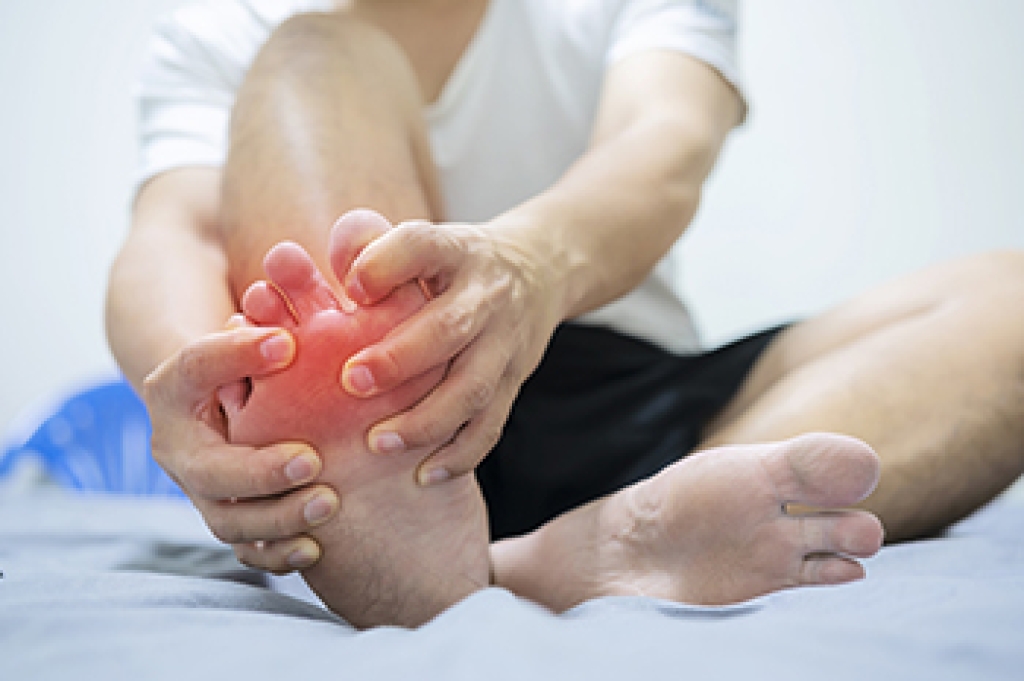
Plantar fasciitis is a common cause of heel pain that develops when the thick band of tissue along the bottom of the foot becomes irritated. Many people notice sharp discomfort with their first steps in the morning or after sitting for a while, with some improvement as they begin moving. It can develop from repetitive strain, foot structure, prolonged standing, or changes in activity level. The timeline for recovery varies. Some people improve within several weeks, while others may deal with symptoms for months, if the problem is not properly addressed. A podiatrist can evaluate the cause of the pain and recommend treatment such as stretching programs, supportive inserts, footwear guidance, or activity changes. Early treatment may help shorten recovery and prevent ongoing discomfort. If you have persistent heel pain or pain with your first steps each morning, it is strongly suggested that you visit a podiatrist for appropriate treatment solutions.

Plantar fasciitis is a common foot condition that is often caused by a strain injury. If you are experiencing heel pain or symptoms of plantar fasciitis, contact Dr. James D. McAlexander from Gig Harbor Foot and Ankle Clinic. Our doctor can provide the care you need to keep you pain-free and on your feet.

What Is Plantar Fasciitis?

Plantar fasciitis is one of the most common causes of heel pain. The plantar fascia is a ligament that connects your heel to the front of your foot. When this ligament becomes inflamed, plantar fasciitis is the result. If you have plantar fasciitis you will have a stabbing pain that usually occurs with your first steps in the morning. As the day progresses and you walk around more, this pain will start to disappear, but it will return after long periods of standing or sitting.

What Causes Plantar Fasciitis?

  • Excessive running
  • Having high arches in your feet
  • Other foot issues such as flat feet
  • Pregnancy (due to the sudden weight gain)
  • Being on your feet very often

There are some risk factors that may make you more likely to develop plantar fasciitis compared to others. The condition most commonly affects adults between the ages of 40 and 60. It also tends to affect people who are obese because the extra pounds result in extra stress being placed on the plantar fascia.

Prevention

  • Take good care of your feet – Wear shoes that have good arch support and heel cushioning.
  • Maintain a healthy weight
  • If you are a runner, alternate running with other sports that won’t cause heel pain

There are a variety of treatment options available for plantar fasciitis along with the pain that accompanies it. Additionally, physical therapy is a very important component in the treatment process. It is important that you meet with your podiatrist to determine which treatment option is best for you.

If you have any questions, please feel free to contact our office located in Gig Harbor, WA . We offer the newest diagnostic and treatment technologies for all your foot care needs.
 

Read more about Plantar Fasciitis

Wounds That Don't Heal Need to Be Checked

Your feet are covered most of the day. If you're diabetic, periodic screening is important for good health. Numbness is often a sign of diabetic foot and can mask a sore or wound.

Falling May Affect the Feet

Many people have a difficult time recovering from falls that have occurred. Their feet may have become affected, and it may be overwhelming to complete daily activities. There are specific methods that can be implemented that may help to reduce the risk of falling. These can include removing worn rugs from the living environment, installing grab bars in the shower and toilet areas, and it may help to improve existing lighting. Additionally, it is beneficial to have current medication checked by having routine physical and eye examinations performed. Many patients find they may fall less often when the proper shoes are worn. If you would like more information about how possible foot conditions may be avoided by using fall prevention techniques, please confer with a podiatrist.

Preventing falls among the elderly is very important. If you are older and have fallen or fear that you are prone to falling, consult with Dr. James D. McAlexander from Gig Harbor Foot and Ankle Clinic. Our doctor will assess your condition and provide you with quality advice and care.

Every 11 seconds, an elderly American is being treated in an emergency room for a fall related injury. Falls are the leading cause of head and hip injuries for those 65 and older. Due to decreases in strength, balance, senses, and lack of awareness, elderly persons are very susceptible to falling. Thankfully, there are a number of things older persons can do to prevent falls.

How to Prevent Falls

Some effective methods that older persons can do to prevent falls include:

  • Enrolling in strength and balance exercise program to increase balance and strength
  • Periodically having your sight and hearing checked
  • Discuss any medications you have with a doctor to see if it increases the risk of falling
  • Clearing the house of falling hazards and installing devices like grab bars and railings
  • Utilizing a walker or cane
  • Wearing shoes that provide good support and cushioning
  • Talking to family members about falling and increasing awareness

Falling can be a traumatic and embarrassing experience for elderly persons; this can make them less willing to leave the house, and less willing to talk to someone about their fears of falling. Doing such things, however, will increase the likelihood of tripping or losing one’s balance. Knowing the causes of falling and how to prevent them is the best way to mitigate the risk of serious injury.  

If you have any questions, please feel free to contact our office located in Gig Harbor, WA . We offer the newest diagnostic and treatment technologies for all your foot care needs.
Read more about Falls Prevention

Connect With Us

scroll to top