
Children’s Heel Pain and Sever’s Disease

Sever’s disease, also called calcaneal apophysitis, causes pain in the growth plate at the back of the heel, oftentimes affecting children. A growth plate is an area of developing bone found in children and teenagers. Repeated pulling from the Achilles tendon can irritate the growth plate, especially during periods of rapid growth. Heel pain usually becomes worse while walking, running, or participating in sports. The pain can affect one heel or both. Some children also limp or avoid placing full weight on the affected foot because of discomfort. Early evaluation helps identify the condition before pain begins to interfere with school, sports, and other daily activities.

Several factors increase the chance of developing Sever’s disease. Running and jumping sports place repeated stress on the heel. Tight calf muscles can increase pulling on the growth plate. Flat feet or high arches can also change how force is distributed across the foot. Shoes that lack proper support can place additional strain on the heel during activity. A podiatrist diagnoses the condition by discussing symptoms, examining the foot, and checking for tenderness around the back of the heel. Imaging tests are not always necessary, but they can help rule out other causes of heel pain when the diagnosis is uncertain.

A podiatrist creates a treatment plan that reduces stress on the irritated growth plate and improves comfort. Treatment includes custom orthotics, heel cushions, and  wearing supportive shoes. These options help reduce pressure and improve foot alignment while walking. Regular follow-up visits allow a podiatrist to monitor healing and adjust treatment as the child grows. Early care can reduce pain, improve mobility, and support a safe return to normal activities. Most children recover completely once the growth plate matures. If your active child has symptoms of Sever’s disease, it is suggested that you schedule an appointment with a podiatrist for effective relief and management tips. 

Sever's disease often occurs in children and teens. If your child is experiencing foot or ankle pain, see Dr. James D. McAlexander from Gig Harbor Foot and Ankle Clinic. Our doctor can treat your child’s foot and ankle needs.

Sever’s Disease

Sever’s disease is also known as calcaneal apophysitis, which is a medical condition that causes heel pain I none or both feet. The disease is known to affect children between the ages of 8 and 14.

Sever’s disease occurs when part of the child’s heel known as the growth plate (calcaneal epiphysis) is attached to the Achilles tendon. This area can suffer injury when the muscles and tendons of the growing foot do not keep pace with bone growth. Therefore, the constant pain which one experiences at the back of the heel will make the child unable to put any weight on the heel. The child is then forced to walk on their toes.

Symptoms

Acute pain – Pain associated with Sever’s disease is usually felt in the heel when the child engages in physical activity such as walking, jumping and or running.

Highly active – Children who are very active are among the most susceptible in experiencing Sever’s disease, because of the stress and tension placed on their feet.

If you have any questions, please feel free to contact our office located in Gig Harbor, WA . We offer the newest diagnostic and treatment technologies for all your foot care needs.

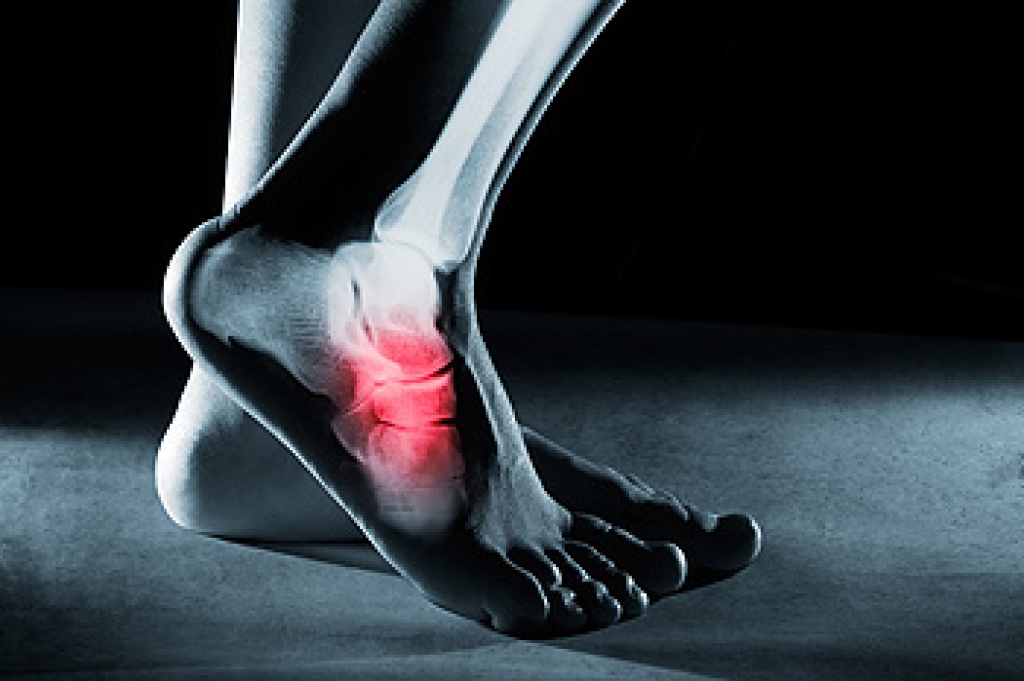
Read more about Sever's Disease

Exercises Can Help to Reduce Foot Pain

Healthy feet absorb shock, maintain balance, and provide a stable base with every step. When foot muscles become weak or stiff, extra stress develops in the arches, heels, and toes. Regular foot exercise helps improve movement and builds strength in areas that work hard every day. Helpful exercises include toe spreads, standing calf raises, and writing the alphabet with the big toe to improve mobility. Another useful exercise is the asterisk drill, which challenges balance while strengthening the foot and ankle. Bent-knee heel raises also help support the back of the foot and ankle. These movements encourage better control while walking and can reduce strain on the tissues that support the foot.

Exercise works best when performed with proper technique. Poor form can place added stress on painful areas instead of improving them. Patients who continue to experience discomfort while walking, standing, or exercising should seek a professional evaluation instead of ignoring the problem. A podiatrist can determine the cause of the pain through a complete examination. Diagnosis includes evaluating foot structure, joint movement, and muscle strength. A podiatrist also looks for conditions like plantar fasciitis, arthritis, or nerve irritation that contribute to pain. Once the cause is identified, treatment focuses on correcting the problem while helping restore comfortable movement.

A podiatrist can suggest an exercise program based on each patient's condition instead of recommending the same routine for everyone. Care may also include custom orthotics that improve foot alignment and reduce pressure on painful areas. Braces or other supportive devices may be prescribed when appropriate. Patients also receive guidance about choosing shoes that provide proper support and fit correctly. Combining professional treatment with targeted exercises gives the feet a better opportunity to regain strength, improve mobility, and reduce pain. Stronger foot muscles support healthier movement with every step. If you have intense or consistent foot pain, it is suggested that you schedule an appointment with a podiatrist for a diagnosis and appropriate treatment.

Exercising your feet regularly with the proper foot wear is a great way to prevent injuries and build strength. If you have any concerns about your feet, contact Dr. James D. McAlexander from Gig Harbor Foot and Ankle Clinic. Our doctor can provide the care you need to keep you pain-free and on your feet.

Exercise for Your Feet

Exercise for your feet can help you gain strength, mobility and flexibility in your feet. They say that strengthening your feet can be just as rewarding as strengthening another part of the body. Your feet are very important, and we often forget about them in our daily tasks. But it is because of our feet that are we able to get going and do what we need to. For those of us fortunate enough to not have any foot problems, it is an important gesture to take care of them to ensure good health in the long run.

Some foot health exercises can include ankle pumps, tip-toeing, toe rises, lifting off the floor doing reps and sets, and flexing the toes. It is best to speak with Our doctor to determine an appropriate regimen for your needs. Everyone’s needs and bodies are different, and the activities required to maintain strength in the feet vary from individual to individual. 

Once you get into a routine of doing regular exercise, you may notice a difference in your feet and how strong they may become.

If you have any questions, please feel free to contact our office located in Gig Harbor, WA . We offer the newest diagnostic and treatment technologies for all your foot care needs.

Read more about Exercise for Your Feet

Facts About Foot Stress Fractures

Foot stress fractures are small cracks in the bones of the foot that develop from repetitive force or overuse, rather than a single traumatic injury. These injuries are common in athletes, runners, and others who suddenly increase their physical activity. In podiatry, stress fractures are considered overuse injuries that most often affect the metatarsal bones, although they can also occur in the heel, navicular bone, or other areas of the foot. Because these fractures develop gradually, they are sometimes mistaken for simple muscle strain or foot fatigue in the early stages.

Symptoms of a foot stress fracture typically begin with mild pain that worsens during activity and improves with rest. The pain may become more persistent and localized to a specific area of the foot. Swelling, tenderness, and sensitivity to pressure are also common signs. Some individuals notice pain when walking or standing for long periods, even without intense physical activity. In more advanced cases, the discomfort may become severe enough to limit daily movement and athletic participation. Early recognition of these symptoms is important to prevent the injury from worsening.

Risk factors for foot stress fractures include high-impact activities like running, basketball, and dance. Sudden increases in training intensity, frequency, or duration can place excessive stress on the bones of the foot. Footwear that lacks support or adequate cushioning also increases risk. Additional factors include low bone density, poor nutrition, and vitamin D deficiency. Biomechanical issues, such as flat feet or high arches, are other factors. People who have had previous stress fractures are also at higher risk of recurrence.

The primary causes of foot stress fractures involve repetitive mechanical loading on the bones without adequate recovery time. This repetitive stress leads to tiny cracks that gradually worsen if activity continues without rest or treatment. Poor training techniques, hard training surfaces, and improper biomechanics can all contribute to excessive bone stress. Without proper care, a stress fracture may progress and lead to a complete fracture. This may require longer recovery time and more restrictive treatment. If you have developed a foot stress fracture, it is suggested that you consult a podiatrist for an accurate diagnosis and effective relief and treatment solutions.

Stress fractures occur when there is a tiny crack within a bone. To learn more, contact Dr. James D. McAlexander from Gig Harbor Foot and Ankle Clinic. Our doctor can provide the care you need to keep you pain free and on your feet.

How Are They Caused?

Stress fractures are the result of repetitive force being placed on the bone. Since the lower leg and feet often carry most of the body’s weight, stress fractures are likely to occur in these areas. If you rush into a new exercise, you are more likely to develop a stress fracture since you are starting too much, too soon.  Pain resulting from stress fractures may go unnoticed at first, however it may start to worsen over time.

Risk Factors

  • Gender – They are more commonly found in women compared to men.
  • Foot Problems – People with unusual arches in their feet are more likely to develop stress fractures.
  • Certain Sports – Dancers, gymnasts, tennis players, runners, and basketball players are more likely to develop stress fractures.
  • Lack of Nutrients – A lack of vitamin D and calcium may weaken the bones and make you more prone to stress fractures
  • Weak Bones – Osteoporosis can weaken the bones therefore resulting in stress fractures

Stress fractures do not always heal properly, so it is important that you seek help from a podiatrist if you suspect you may have one. Ignoring your stress fracture may cause it to worsen, and you may develop chronic pain as well as additional fractures.

If you have any questions please contact our office located in Gig Harbor, WA . We offer the newest diagnostic and treatment technologies for all your foot and ankle needs.

Read more about Stress Fractures of the Foot and Ankle

Dealing With Diabetic Foot Problems

Diabetes can affect the feet in several ways and can lead to serious problems when not managed properly. High blood sugar can damage nerves and reduce blood flow to the feet. Nerve damage, called neuropathy, can cause numbness, burning, or tingling sensations. Some people lose the ability to feel pain or temperature changes. As a result, cuts, blisters, and other injuries can go unnoticed. Reduced blood flow slows healing and makes it harder for the body to fight infection. Even a small wound can become a larger problem when it is not discovered quickly. This is why people with diabetes should pay close attention to any changes in their feet.

Common diabetic foot problems include dry skin, cracked heels, and thick calluses. Some people develop foot ulcers, which are open sores that can form on the bottom of the foot. Ulcers can become infected and lead to serious tissue damage. Diabetes also increases the risk of foot deformities, such as hammertoes and bunions. These conditions can create pressure points that raise the risk of skin breakdown. Swelling, redness, and drainage from a wound should never be ignored. Pain can also occur, although people with neuropathy may feel very little discomfort despite having a serious foot condition.

A podiatrist plays an important role in identifying and managing diabetic foot problems. A thorough foot examination can reveal signs of poor circulation, nerve damage, and developing wounds. Treatment includes caring for ulcers, removing thickened skin, and helping reduce pressure on painful areas. Additional treatment can address infections and foot deformities. Early diagnosis is important because untreated diabetic foot problems can lead to severe infections and tissue loss. Prompt care helps protect foot health and supports mobility. If you have foot problems related to diabetes, it is suggested that you make an appointment with a podiatrist for an exam and help in managing this serious condition.

Diabetic foot care is important in preventing foot ailments such as ulcers. If you are suffering from diabetes or have any other concerns about your feet, contact Dr. James D. McAlexander from Gig Harbor Foot and Ankle Clinic. Our doctor can provide the care you need to keep you pain-free and on your feet.

Diabetic Foot Care

Diabetes affects millions of people every year. The condition can damage blood vessels in many parts of the body, especially the feet. Because of this, taking care of your feet is essential if you have diabetes, and having a podiatrist help monitor your foot health is highly recommended.

The Importance of Caring for Your Feet

  • Routinely inspect your feet for bruises or sores.
  • Wear socks that fit your feet comfortably.
  • Wear comfortable shoes that provide adequate support.

Patients with diabetes should have their doctor monitor their blood levels, as blood sugar levels play such a huge role in diabetic care. Monitoring these levels on a regular basis is highly advised.

It is always best to inform your healthcare professional of any concerns you may have regarding your feet, especially for diabetic patients. Early treatment and routine foot examinations are keys to maintaining proper health, especially because severe complications can arise if proper treatment is not applied.

If you have any questions, please feel free to contact our office located in Gig Harbor, WA . We offer the newest diagnostic and treatment technologies for all your foot care needs.

Read more about Diabetic Foot Conditions

Do Your Child's Feet Hurt?

Have your child's feet been examined lately? Healthy feet are happy feet. If your child is complaining of foot pain, it may be a sign of underlying problems.

Connect With Us

scroll to top