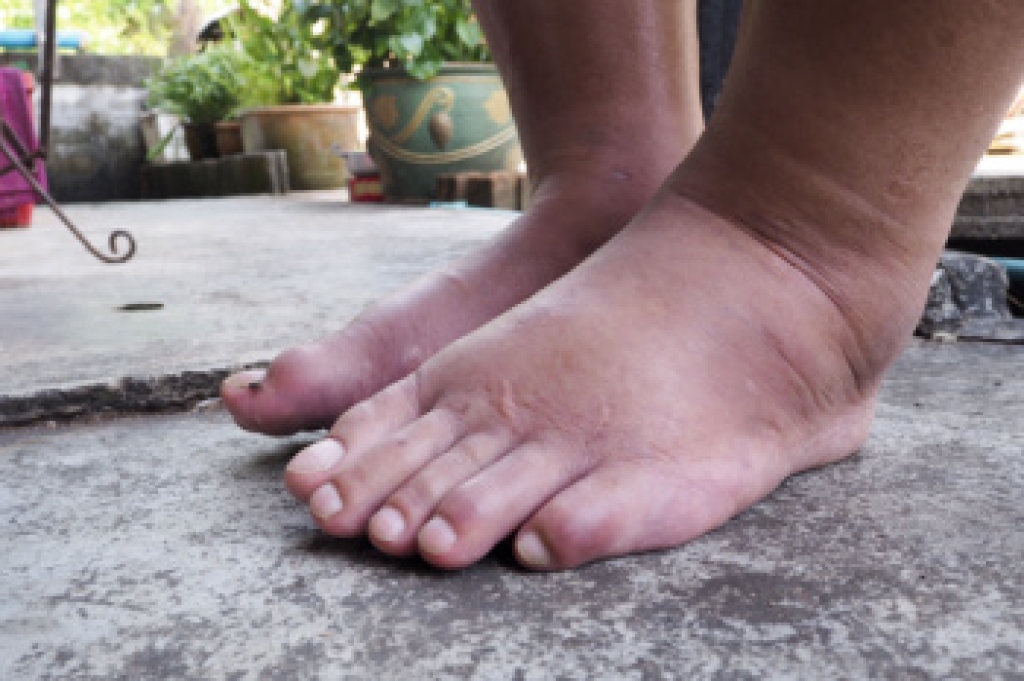
Reasons for Foot and Ankle Swelling

Swollen feet can make shoes feel tight and movement uncomfortable. This swelling, called edema, happens when extra fluid collects in tissues. It can affect the feet, ankles, or lower legs. Some people notice puffiness after sitting for long periods, especially while traveling. Others experience swelling that lasts longer. The skin may feel stretched or tight, and the legs can feel heavy. Swelling is not always caused by a foot injury. It can signal that fluid is having difficulty moving back through the body. Recognizing changes in foot size and comfort helps patients seek timely care.

Poor circulation in the veins is one possible cause of swollen feet. Veins contain small valves that help blood travel toward the heart. When these valves weaken, fluid can collect around the ankles. Another cause is lymphedema, which develops when the body's fluid drainage system cannot work properly. This system normally carries excess fluid away from tissues. Limited movement and excess body weight can increase the risk of persistent swelling. Swelling lasting longer than three months is considered chronic. Without proper treatment, ongoing swelling can lead to thickened skin and a greater risk of infection.

A podiatrist can examine swollen feet and assess changes in the skin, circulation, and foot shape. The evaluation helps identify possible causes and determine appropriate care. Depending on the findings, treatment may involve professionally fitted compression garments to help control fluid buildup. Compression is not appropriate for every patient, so circulation must be checked first.  A podiatrist can also recommend suitable shoes and assess how swelling affects walking. Sudden swelling in one leg, especially with pain or redness, requires urgent evaluation. Swelling accompanied by breathing difficulty requires emergency attention. If you have symptoms of swelling of the feet, it is suggested that you schedule an appointment with a podiatrist for diagnosis and treatment.

Swollen feet can be a sign of an underlying condition. If you have any concerns, contact Dr. James D. McAlexander of Gig Harbor Foot and Ankle Clinic. Our doctor can provide the care you need to keep you pain-free and on your feet.

Swollen feet are a common ailment among pregnant women and people who stand or sit for extended periods. Aging may increase the possibility of swollen feet and patients who are obese often notice when their feet are swelling too. There may be medical reasons why swollen feet occur:

  • Phlebitis - A condition that causes the veins to become inflamed and can also cause leg pain.
  • Liver disease - This may lead to low blood levels of albumin which is a protein. This can cause fluid in the blood to pass into the tissues and several areas of the body can become swollen.
  • Heart failure - When the heart doesn’t pump properly the blood that is normally pumped back to the heart can pool in the veins of the legs causing swollen feet.
  • Kidney disease - One of the main functions of the kidneys is releasing excess fluid in the body. This type of condition can make it difficult for the kidneys to function properly, and as a result the feet may become swollen.
  • Deep-vein thrombosis (DVT)- This is a serious condition where blood clots form in the veins of the legs. They can block the return of blood from the legs to the heart which may cause the feet to swell. It is important to be treated by a podiatrist if this condition is present.

Swollen feet can also be caused by bone and tendon conditions, including fractures, arthritis, and tendinitis. Additionally, there may be skin and toenail conditions and an infection may cause the feet to swell. Patients who take medicine to treat high blood pressure may be prone to getting swollen feet. 

Many patients elevate their feet to help relieve the swelling and this is generally a temporary remedy. When a podiatrist is consulted the reason behind the swelling can be uncovered and subsequently treated.

If you have any questions please contact our office located in Gig Harbor, WA . We offer the newest diagnostic and treatment technologies for all your foot and ankle needs.

Read more about Swelling of the Feet

How Psoriatic Arthritis Causes Foot Pain

Psoriatic arthritis is an inflammatory disease that affects the joints and areas where tendons attach to bones. It develops in some people with psoriasis, a condition that causes thick, scaly patches of skin. However, joint symptoms can appear before these skin changes. In the feet, inflammation can cause pain, stiffness, and swelling. The toes may become swollen along their full length, creating a sausage-like appearance. Heel pain can develop where the Achilles tendon joins the heel bone or where the plantar fascia connects beneath the heel. Some patients also feel tenderness in the ankles or pain across the ball of the foot. These symptoms can make standing, climbing stairs, and walking difficult.

Foot problems can vary among patients. Joint swelling can reduce movement and change how weight passes through the foot. This altered pressure can lead to calluses, balance problems, or discomfort in nearby joints. Inflammation may also affect the toenails. Signs include pitting, thickening, and separation from the nail bed. Because these changes can resemble other foot conditions, an accurate diagnosis is important. A podiatrist can examine the feet, review the symptoms, and assess joint movement. The evaluation can also identify areas of abnormal pressure and rule out injuries or other causes of pain.

A podiatrist can help protect foot function and make daily movement more comfortable. Treatment includes custom orthotics to improve support, padding to reduce pressure, and recommendations for properly fitted shoes. A podiatrist can also provide professional care for painful nails or calluses. When inflammation changes the shape or movement of a joint, braces or other supportive devices help improve stability. Regular foot examinations help track joint problems and identify skin or nail concerns before they become harder to manage. If you have foot pain related to psoriatic arthritis, it is suggested that you schedule an appointment with a podiatrist for effective relief and management solutions.

Arthritis can be a difficult condition to live with. If you are seeking treatment, contact Dr. James D. McAlexander from Gig Harbor Foot and Ankle Clinic. Our doctor can provide the care you need to keep you pain-free and on your feet.

Arthritic Foot Care  

Arthritis is a term that is commonly used to describe joint pain.  The condition itself can occur to anyone of any age, race, or gender, and there are over 100 types of it.  Nevertheless, arthritis is more commonly found in women compared to men, and it is also more prevalent in those who are overweight. The causes of arthritis vary depending on which type of arthritis you have. Osteoarthritis for example, is often caused by injury, while rheumatoid arthritis is caused by a misdirected immune system.

Symptoms

  • Swelling
  • Pain
  • Stiffness
  • Decreased Range of Motion

Arthritic symptoms range in severity, and they may come and go. Some symptoms stay the same for several years but could potentially get worse with time. Severe cases of arthritis can prevent its sufferers from performing daily activities and make walking difficult.

Risk Factors

  • Occupation – Occupations requiring repetitive knee movements have been linked to osteoarthritis
  • Obesity – Excess weight can contribute to osteoarthritis development
  • Infection – Microbial agents can infect the joints and trigger arthritis
  • Joint Injuries – Damage to joints may lead to osteoarthritis
  • Age – Risk increases with age
  • Gender –Most types are more common in women
  • Genetics – Arthritis can be hereditary

If you suspect your arthritis is affecting your feet, it is crucial that you see a podiatrist immediately. Your doctor will be able to address your specific case and help you decide which treatment method is best for you.

If you have any questions please feel free to contact our office located in Gig Harbor, WA . We offer the newest diagnostic tools and technology to treat your foot and ankle needs.

Read more about Arthritic Foot Care

Signs You May Have Athlete’s Foot

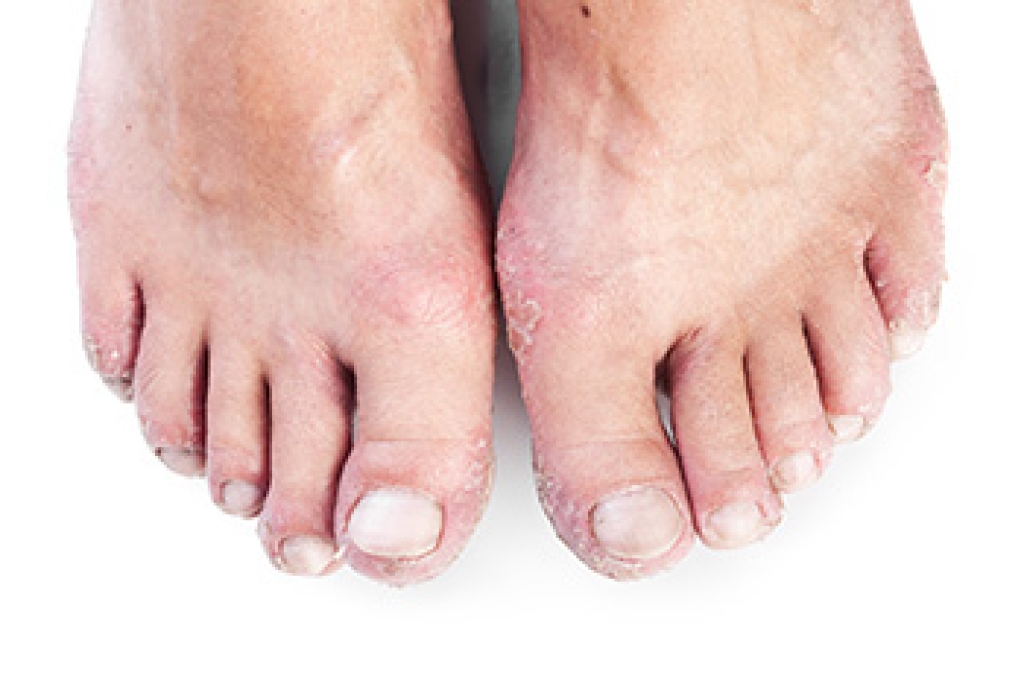
Athlete’s foot is a contagious fungal infection that affects the skin of the feet. It often develops between the toes or on the soles. Symptoms include itching, burning, and scaly skin. The skin may also peel, crack, or form blisters. Some patients notice an odor or areas that look lighter than the surrounding skin. The infection can spread to the toenails, causing them to become thick, discolored, or brittle. Cracked skin can invite a bacterial infection.

The athlete’s foot fungus thrives in warm, dark, and damp places. It can spread through direct contact with infected skin or through contaminated surfaces. Locker-room floors, shared showers, and swimming-pool areas are frequent sources of exposure. Shoes that trap heat and moisture can also encourage fungal growth. Risk rises when feet sweat heavily or remain damp for long periods. A podiatrist can examine the affected skin and determine whether athlete’s foot is causing the symptoms. This evaluation is important because eczema and other skin problems can produce a similar rash. Testing a small skin sample can help confirm the diagnosis when the cause is unclear.

A podiatrist develops a treatment plan based on the location and severity of the infection. Care includes professional guidance on keeping the feet clean and dry. The podiatrist can also explain how to reduce moisture inside shoes and prevent the fungus from spreading. Patients should avoid sharing towels, socks, or shoes with other people. Waterproof sandals can help protect the feet in public showers and locker rooms. Fresh socks and breathable shoes also reduce trapped moisture. People with diabetes, poor circulation, or a weakened immune system should seek prompt care because broken skin can lead to serious complications. If you have symptoms of an athlete's foot infection, it is suggested that you schedule an appointment with a podiatrist for diagnosis and appropriate treatment, which may include prescribed medication.

Athlete’s foot is an inconvenient condition that can be easily reduced with the proper treatment. If you have any concerns about your feet and ankles, contact Dr. James D. McAlexander from Gig Harbor Foot and Ankle Clinic.  Our doctor will treat your foot and ankle needs.

Athlete’s Foot: The Sole Story

Athlete's foot, also known as tinea pedis, can be an extremely contagious foot infection. It is commonly contracted in public changing areas and bathrooms, dormitory style living quarters, around locker rooms and public swimming pools, or anywhere your feet often come into contact with other people.

Solutions to Combat Athlete’s Foot

  • Hydrate your feet by using lotion
  • Exfoliate
  • Buff off nails
  • Use of anti-fungal products
  • Examine your feet and visit your doctor if any suspicious blisters or cuts develop

Athlete’s foot can cause many irritating symptoms such as dry and flaking skin, itching, and redness. Some more severe symptoms can include bleeding and cracked skin, intense itching and burning, and even pain when walking. In the worst cases, Athlete’s foot can cause blistering as well. Speak to your podiatrist for a better understanding of the different causes of Athlete’s foot, as well as help in determining which treatment options are best for you.

If you have any questions please feel free to contact our office located in Gig Harbor, WA . We offer the newest diagnostic and treatment technologies for all your foot and ankle needs.
Read more about Athlete’s Foot

Bunions and Big Toe Joint Pain

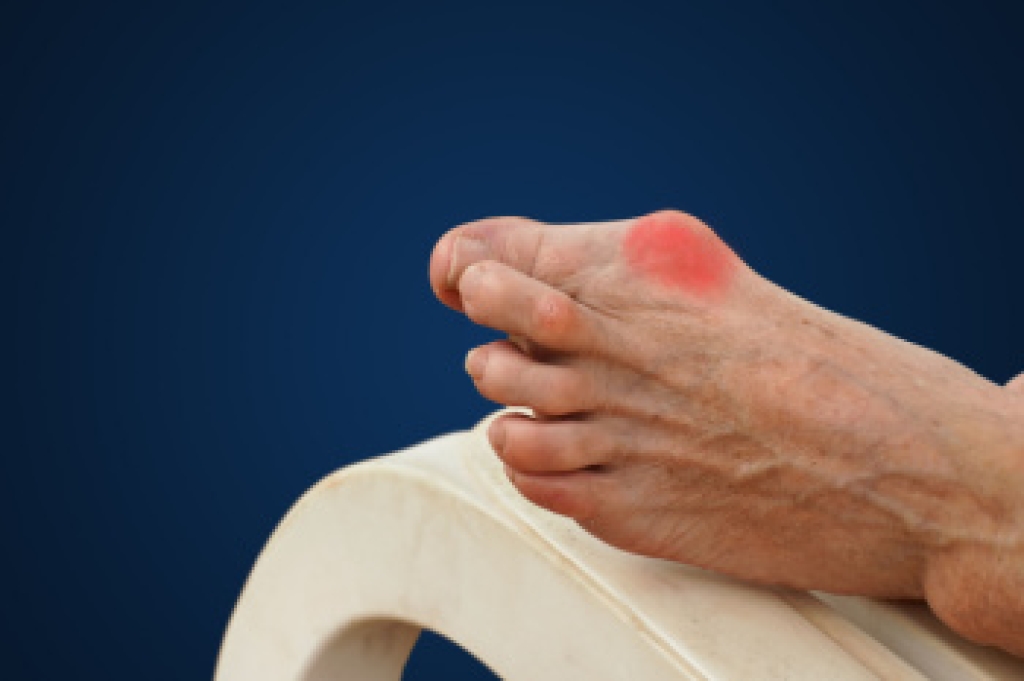
A bunion is a structural deformity of the foot that affects the joint at the base of the big toe. It develops gradually as the big toe shifts inward toward the second toe, causing the joint to protrude outward. This misalignment places ongoing stress on the surrounding bones, ligaments, and soft tissues, leading to discomfort and visible changes in the shape of the foot. Over time, bunions may worsen, particularly if the underlying causes are not properly addressed.

Common symptoms of bunions include persistent pain at the base of the big toe, along with swelling and inflammation in the affected joint. Many individuals also experience a burning or aching sensation, especially after long periods of standing, walking, or wearing restrictive footwear. The skin over the bunion may become red and irritated due to friction against shoes, which can increase discomfort. As the condition progresses, stiffness may develop in the big toe, limiting its range of motion and making everyday activities more challenging.

The primary cause of bunions is prolonged pressure on the big toe joint that gradually forces it out of alignment. Wearing tight, narrow, or poorly fitting shoes is a major contributing factor, as such footwear compresses the toes and increases friction. High-heeled shoes can further worsen the condition by shifting body weight forward onto the forefoot, adding extra strain. In addition, genetic factors and abnormal foot mechanics, such as flat feet or joint instability, can increase the likelihood of developing bunions.

Risk factors include wearing improper footwear, inherited foot structure, and certain biomechanical issues. Early recognition and intervention can help slow progression and reduce symptoms. Wearing supportive, well-fitted shoes and using custom orthotics may relieve pressure on the joint. If a bunion becomes painful or interferes with daily activities, consulting a podiatrist is recommended for appropriate treatment and long-term management strategies.

If you are suffering from bunion pain, contact Dr. James D. McAlexander of Gig Harbor Foot and Ankle Clinic. Our doctor can provide the care you need to keep you pain-free and on your feet.

What Is a Bunion?

Bunions are painful bony bumps that usually develop on the inside of the foot at the joint of the big toe. As the deformity increases over time, it may become painful to walk and wear shoes. Women are more likely to exacerbate existing bunions since they often wear tight, narrow shoes that shift their toes together. Bunion pain can be relieved by wearing wider shoes with enough room for the toes.

Causes

  • Genetics – some people inherit feet that are more prone to bunion development
  • Inflammatory Conditions - rheumatoid arthritis and polio may cause bunion development

Symptoms

  • Redness and inflammation
  • Pain and tenderness
  • Callus or corns on the bump
  • Restricted motion in the big toe

In order to diagnose your bunion, your podiatrist may ask about your medical history, symptoms, and general health. Your doctor might also order an x-ray to take a closer look at your feet. Nonsurgical treatment options include orthotics, padding, icing, changes in footwear, and medication. If nonsurgical treatments don’t alleviate your bunion pain, surgery may be necessary.

If you have any questions, please feel free to contact our office located in Gig Harbor, WA . We offer the newest diagnostic and treatment technologies for all your foot care needs.

Read more about Bunions

Gout Pain Can Be Managed

Gout is a painful, inflammatory form of arthritis. Those affected will typically feel an intense stiffness in the joints of their feet, particularly in the big toe. Schedule a visit to learn about how gout can be managed and treated.

Connect With Us

scroll to top