
Plantar warts are small growths that develop on parts of the feet that bear weight. They're typically found on the bottom of the foot. Don't live with plantar warts, and call us today!
Plantar warts are small growths that develop on parts of the feet that bear weight. They're typically found on the bottom of the foot. Don't live with plantar warts, and call us today!
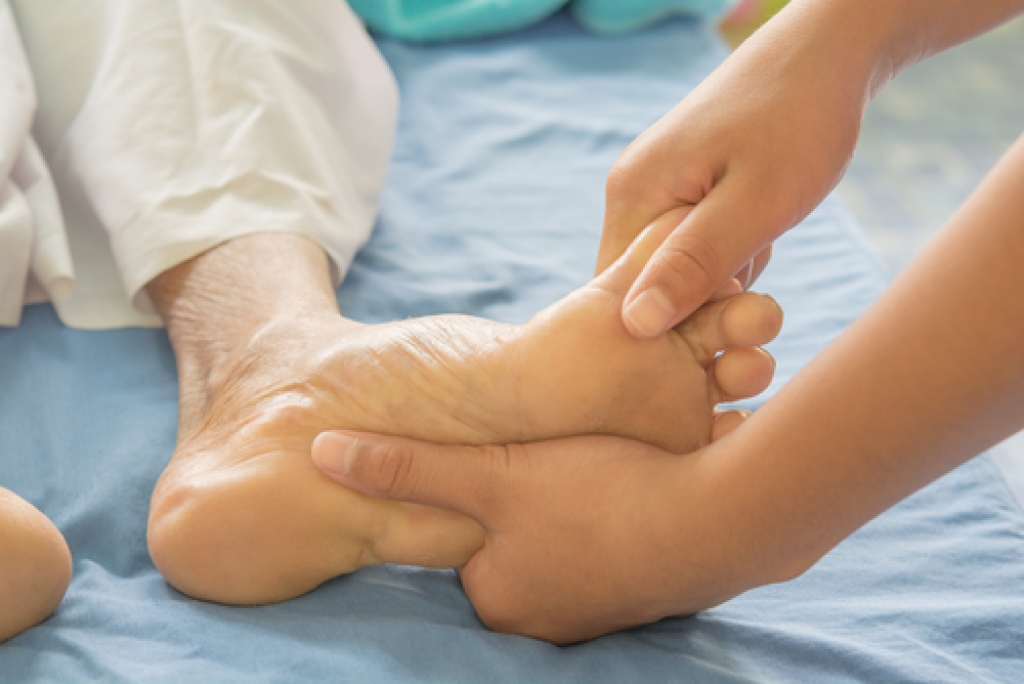 An effective type of foot therapy is known as reflexology. This is practiced by applying pressure to specific parts of the foot that are linked to certain organs. By implementing this form of foot therapy, several health benefits may be noticed which may be helpful for preventing illness. Additionally, reflexology may be helpful in promoting relaxation by calming the nervous system, and this may help to reduce stress. When specific parts of the foot are touched, it is known to improve overall well being, and many patients have observed that their immune systems have become stronger. A podiatrist can help you to determine the best way to perform foot massages, and it is suggested that you schedule a consultation to learn more about this type of therapy.
Foot therapy is often necessary for those recovering from either foot deformities or foot injuries. If you have concerns regarding therapy, consult with Dr. James D. McAlexander from Gig Harbor Foot and Ankle Clinic. Our doctor can provide the care you need to keep you pain-free and on your feet.
Most Common Injuries
People who are active or athletes are prone to a variety of injuries. Therefore, it is often important to take part in physical therapy in order to quickly get back on the right track.
What to Do When Injured
Physical Therapy – This specialized treatment will focus on the affected area, speeding up recovery and the overall healing process. It is a proven method that has helped millions of people return from any injury.
During physical therapy you will undergo regimented training to get back into full form. Training is often very difficult, especially at first when the foot feels weak. Physical therapy often involves:
Basic stretching and twisting exercises – getting the feet’s mobility and flexibility up.
Massaging – the therapist will massage the injured area in order to activate the muscles and relax them.
Strengthening Exercises – this allows the muscles in the affected area to regain their full strength, a vital step towards full recovery.
If you have any questions, please feel free to contact our office located in Gig Harbor, WA . We offer the newest diagnostic and treatment technologies for all your foot care needs.
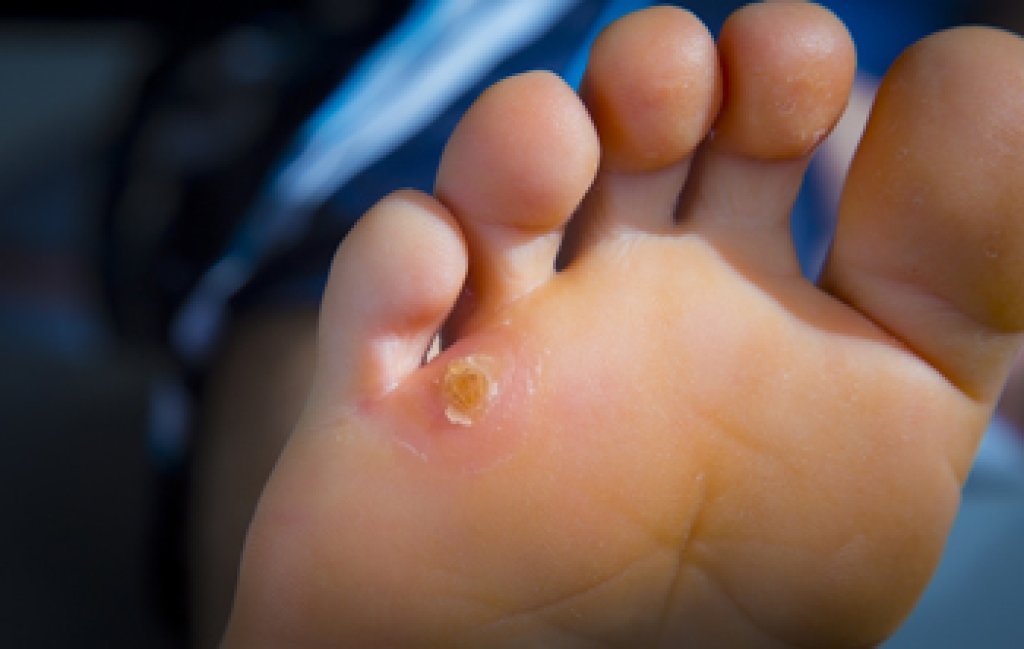
Patients who have corns on their feet are often aware of the discomfort they may cause. A corn is generally caused by excessive friction that may come from the shoes and socks that are worn. There are two types of corns that can develop on the feet. Hard corns can develop on top of the toes, or on the bottom of the feet. The center of the corn can be removed, and may take several weeks to heal. If the corn forms between the toes, it is identified as a soft corn, and can cause severe pain while walking. It may be prevented by wearing shoes that have adequate room for the toes to move freely in. If you notice you have either type of corn on your feet, it is advised that you speak with a podiatrist who can begin effective treatment as quickly as possible.
Corns can make walking very painful and should be treated immediately. If you have questions regarding your feet and ankles, contact Dr. James D. McAlexander of Gig Harbor Foot and Ankle Clinic. Our doctor will treat your foot and ankle needs.
Corns: What Are They? And How Do You Get Rid of Them?
Corns are thickened areas on the skin that can become painful. They are caused by excessive pressure and friction on the skin. Corns press into the deeper layers of the skin and are usually round in shape.
Ways to Prevent Corns
There are many ways to get rid of painful corns such as:
Treating Corns
Although most corns slowly disappear when the friction or pressure stops, this isn’t always the case. Consult with your podiatrist to determine the best treatment option for your case of corns.
If you have any questions, please feel free to contact our office located in Gig Harbor, WA . We offer the newest diagnostic and treatment technologies for all your foot care needs.
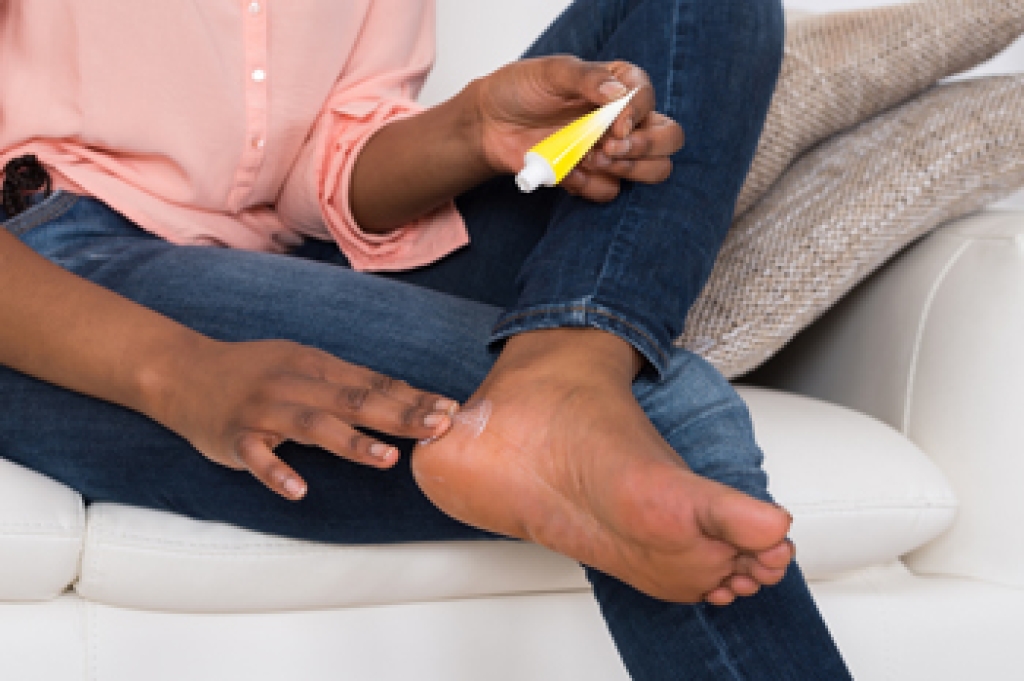 The condition that is known as cracked heels can cause the skin to lose flexibility. The heels endure the weight of the body, and consistent pressure may cause the skin to develop deep cracks, which are often referred to as fissures. This foot ailment may occur for several reasons. These can include standing for long periods of time throughout the day, or from wearing shoes that have an open back. Medical conditions such as eczema or psoriasis may also lead to the development of cracked heels. Additionally, the fat pads in the heels of overweight people may be affected, which may gradually cause cracks in the skin of the heels. Moderate relief may be found when the feet are frequently soaked in warm water, followed by applying a good moisturizer. If you have developed cracked heels, it is suggested that this condition is monitored by a podiatrist, who can recommend effective treatment and prevention options.
Cracked heels are unsightly and can cause further damage to your shoes and feet. If you have any concerns, contact Dr. James D. McAlexander from Gig Harbor Foot and Ankle Clinic. Our doctor can provide the care you need to keep you pain-free and on your feet.
Cracked Heels
Cracked heels appear unappealing and can make it harder for you walk around in sandals. Aside from looking unpleasant, cracked heels can also tear stockings, socks, and wear out your shoes. There are several methods to help restore a cracked heel and prevent further damage.
How Do You Get Them?
Dry skin is the number one culprit in creating cracked heels. Many athletes, walkers, joggers, and even swimmers suffer from cracked heels. Age and skin oil production play a role to getting cracked heels as well.
Promote Healing
Over the counter medicines can help, especially for those that need instant relief or who suffer from chronic dry feet.
Wear Socks – Wearing socks with medicated creams helps lock in moisture.
Moisturizers – Applying both day and night will help alleviate dryness which causes cracking.
Pumice Stones – These exfoliate and remove dead skin, which allows for smoother moisturizer application and better absorption into the skin.
Change in Diet
Eating healthy with a well-balanced diet will give the skin a fresh and radiant look. Your body responds to the kinds of food you ingest. Omega-3 fatty acids and zinc supplements can also revitalize skin tissue.
Most importantly, seek professional help if unsure how to proceed in treating cracked heels. A podiatrist will help you with any questions or information needed.
If you have any questions, please feel free to contact our office located in Gig Harbor, WA . We offer the newest diagnostic and treatment technologies for all your foot care needs.
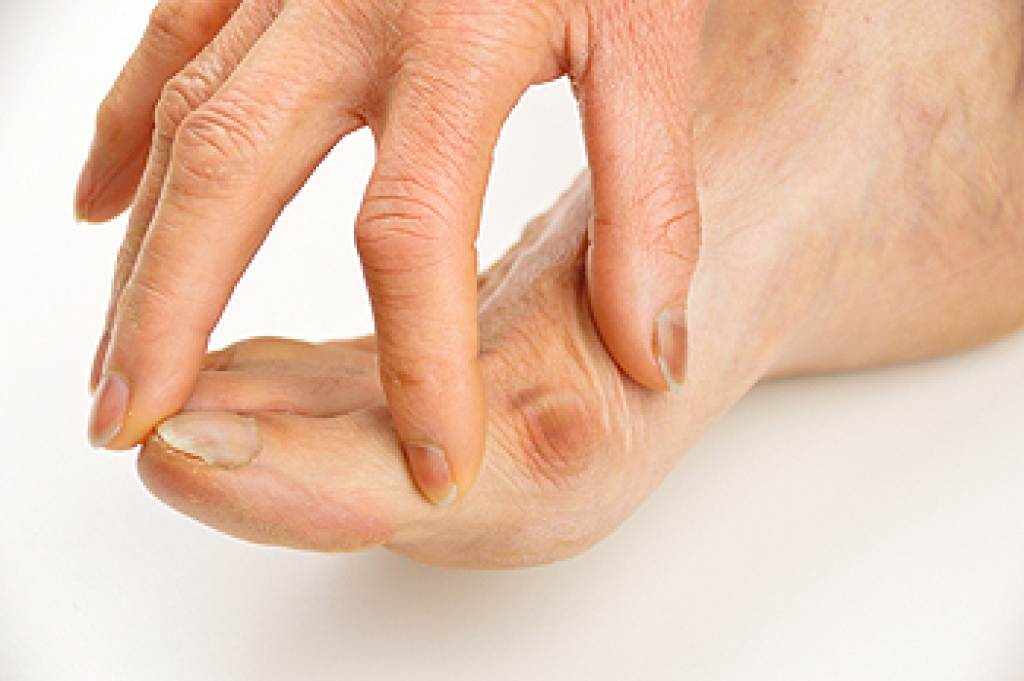
A bunion is defined as a bony growth that develops on the side of the big toe. It can cause the middle toes to shift and may make it difficult to wear shoes. Severe bunions may cause limited mobility and instability, and people who enjoy practicing yoga may find it is challenging to balance. Bunions may develop due to genetic factors, or from wearing shoes that do not have adequate room for the toes to move freely. When specific practices in yoga are performed, it may be beneficial for gradually aligning the feet, which may help prevent bunions from developing. If you would like additional information about bunions and how yoga stretches may help any accompanying discomfort, please consult with a podiatrist.
If you are suffering from bunion pain, contact Dr. James D. McAlexander of Gig Harbor Foot and Ankle Clinic. Our doctor can provide the care you need to keep you pain-free and on your feet.
What Is a Bunion?
Bunions are painful bony bumps that usually develop on the inside of the foot at the joint of the big toe. As the deformity increases over time, it may become painful to walk and wear shoes. Women are more likely to exacerbate existing bunions since they often wear tight, narrow shoes that shift their toes together. Bunion pain can be relieved by wearing wider shoes with enough room for the toes.
Causes
Symptoms
In order to diagnose your bunion, your podiatrist may ask about your medical history, symptoms, and general health. Your doctor might also order an x-ray to take a closer look at your feet. Nonsurgical treatment options include orthotics, padding, icing, changes in footwear, and medication. If nonsurgical treatments don’t alleviate your bunion pain, surgery may be necessary.
If you have any questions, please feel free to contact our office located in Gig Harbor, WA . We offer the newest diagnostic and treatment technologies for all your foot care needs.
Connect With Us
