Reasons Your Pinky Toe Hurts

Pain in the pinky toe is common because it sits on the outer edge of the foot, where it frequently strikes objects and absorbs pressure from footwear and activity. Injuries like fractures, stress fractures, sprains, and dislocations can cause swelling, bruising, and difficulty bearing weight. Structural problems may also develop, including a tailor’s bunion, in which the fifth metatarsal shifts outward and forms a painful bump that rubs against shoes. Repeated friction can create corns and inflamed soft tissue, while certain toe deformities may place abnormal pressure on joints and nerves. A podiatrist can perform a physical examination and order the necessary imaging to determine the cause. This foot doctor can also realign injured structures, relieve pressure points, and provide medical treatment to restore proper function. If your pinky toe is in pain, it is suggested that you make an appointment with a podiatrist for an exam, diagnosis, and treatment.

Toe pain can disrupt your daily activities. If you have any concerns, contact Dr. James D. McAlexander of Gig Harbor Foot and Ankle Clinic. Our doctor can provide the care you need to keep you pain-free and on your feet.

What Causes Toe Pain?

Most severe toe pain is caused due to a sports injury, trauma from dropping something heavy on the toe, or bumping into something rigid. Other problems can develop over time for various reasons.

Toe pain can be caused by one or more ailments. The most common include:

  • Trauma
  • Sports injury
  • Wearing shoes that are too tight
  • Arthritis
  • Gout
  • Corns and calluses
  • Hammertoe
  • Bunions
  • Blisters
  • Ingrown toenails
  • Sprains
  • Fractures (broken bones)
  • Dislocations

When to See a Podiatrist

  • Severe pain
  • Persistent pain that lasts more than a week
  • Signs of infection
  • Continued swelling
  • Pain that prevents walking

Diagnosis

In many cases the cause of toe pain is obvious, but in others, a podiatrist may want to use more advanced methods to determine the problem. These can range from simple visual inspections and sensation tests to X-rays and MRI scans. Prior medical history, family medical history, and any recent physical traumatic events will all be taken into consideration for a proper diagnosis.

Treatment

Treatments for toe pain and injuries vary and may include shoe inserts, padding, taping, medicines, injections, and in some cases, surgery. If you believe that you have broken a toe, please see a podiatrist as soon as possible.

If you have any questions please contact our office located in Gig Harbor, WA . We offer the newest diagnostic and treatment technologies for all your foot and ankle needs.

Read more about Toe Pain

Definition of Sever’s Disease and Risk Factors

Sever’s disease is a common growth-related heel condition that affects active children and adolescents during periods of rapid development. It occurs when repetitive stress and tension irritate the growth plate at the back of the heel where the Achilles tendon attaches. Causes often include running, jumping, tight calf muscles and overuse during sports activities. Risk factors may include high activity levels, wearing improper footwear, flat feet, or rapid growth spurts. A podiatrist can help by providing an accurate diagnosis recommending activity modification, custom orthotics, stretching, guidance, and supportive footwear to reduce strain on the heel. Early care can ease pain, improve mobility, and prevent ongoing discomfort. If your active child has heel pain, it is suggested that you consult a podiatrist who can offer effective relief and management tips.

Sever's disease often occurs in children and teens. If your child is experiencing foot or ankle pain, see Dr. James D. McAlexander from Gig Harbor Foot and Ankle Clinic. Our doctor can treat your child’s foot and ankle needs.

Sever’s Disease

Sever’s disease is also known as calcaneal apophysitis, which is a medical condition that causes heel pain I none or both feet. The disease is known to affect children between the ages of 8 and 14.

Sever’s disease occurs when part of the child’s heel known as the growth plate (calcaneal epiphysis) is attached to the Achilles tendon. This area can suffer injury when the muscles and tendons of the growing foot do not keep pace with bone growth. Therefore, the constant pain which one experiences at the back of the heel will make the child unable to put any weight on the heel. The child is then forced to walk on their toes.

Symptoms

Acute pain – Pain associated with Sever’s disease is usually felt in the heel when the child engages in physical activity such as walking, jumping and or running.

Highly active – Children who are very active are among the most susceptible in experiencing Sever’s disease, because of the stress and tension placed on their feet.

If you have any questions, please feel free to contact our office located in Gig Harbor, WA . We offer the newest diagnostic and treatment technologies for all your foot care needs.
Read more about Sever's Disease

Heel Pain Can Be Treated!

Do you suffer from heel pain when you get up in the morning? If so, you should seek professional help and have a proper diagnosis performed. Heel pain can be caused by several different foot-related conditions.

Reasons to Have Bunion Surgery

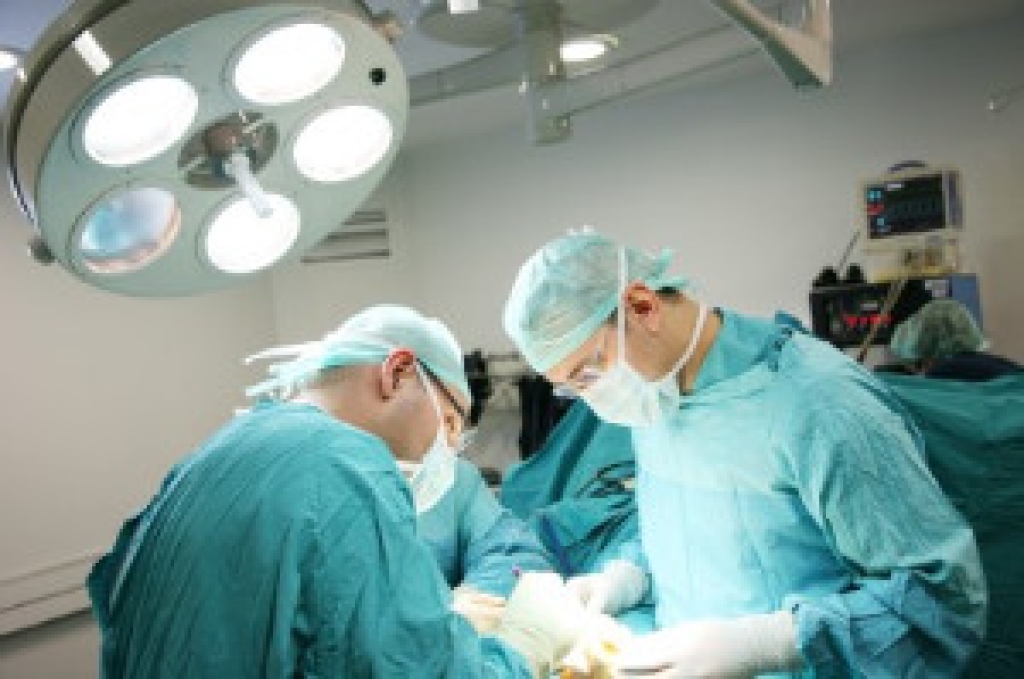
A bunion is a bony bump that forms at the base of the big toe when the joint becomes misaligned and pushes outward. This condition can cause pain, swelling, stiffness and difficulty wearing shoes. Bunion surgery may be needed when conservative care no longer relieves discomfort, or when the bunion interferes with walking and daily activities. It is performed by realigning the bone and joint to restore proper position and function. The benefits include relieving pain, improving foot stability, allowing more natural walking, and enhancing the appearance of the foot. A podiatrist can determine the right treatment approach and guide recovery. If you have bunion pain that limits your comfort or mobility, it is suggested that you consult a podiatrist who can discuss whether bunion surgery is a viable option for you.

Foot surgery is sometimes necessary to treat a foot ailment. To learn more, contact Dr. James D. McAlexander of Gig Harbor Foot and Ankle Clinic. Our doctor will assist you with all of your foot and ankle needs.

When Is Surgery Necessary?

Foot and ankle surgery is generally reserved for cases in which less invasive, conservative procedures have failed to alleviate the problem. Some of the cases in which surgery may be necessary include:

  • Removing foot deformities like bunions and bone spurs
  • Severe arthritis that has caused bone issues
  • Cosmetic reconstruction

What Types of Surgery Are There?

The type of surgery you receive will depend on the nature of the problem you have. Some of the possible surgeries include:

  • Bunionectomy for painful bunions
  • Surgical fusion for realignment of bones
  • Neuropathy decompression surgery to treat nerve damage

Benefits of Surgery

Although surgery is usually a last resort, it can provide more complete pain relief compared to non-surgical methods and may allow you to finally resume full activity.

Surgical techniques have also become increasingly sophisticated. Techniques like endoscopic surgery allow for smaller incisions and faster recovery times.

If you have any questions, please feel free to contact our office located in Gig Harbor, WA . We offer the newest diagnostic and treatment technologies for all your foot care needs.

Read more about Foot Surgery

Broken Toes and Podiatric Care

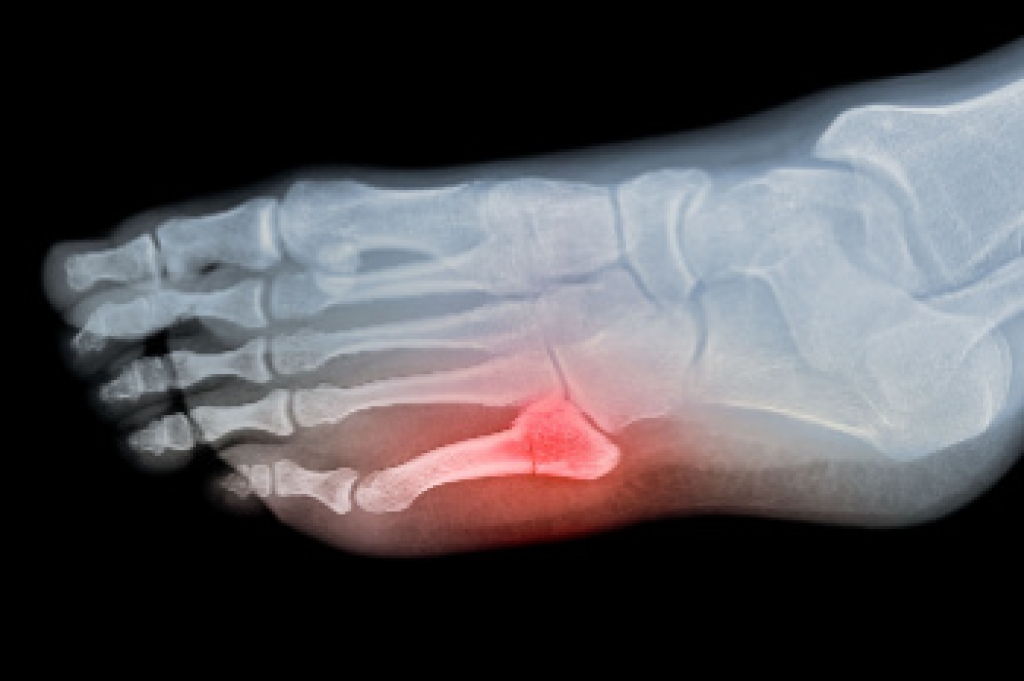
A broken toe is a fracture of one or more of the small bones in the toe, often resulting from sudden trauma. Common causes include a heavy object falling on the foot, or forceful stubbing against furniture or hard surfaces. Symptoms usually involve pain, swelling, bruising, and difficulty walking. Discolored toenails may appear when bleeding occurs beneath the nail. Diagnosis is typically made through a physical exam and imaging, such as X-rays, to confirm the fracture and its severity. Risk factors include sports activities, poor footwear protection, and balance issues. If you have symptoms of a broken toe, it is suggested that you promptly consult a podiatrist who can provide an accurate diagnosis, stabilize the toe, manage pain, and guide proper healing.

Broken toes may cause a lot of pain and should be treated as soon as possible. If you have any concerns about your feet, contact Dr. James D. McAlexander from Gig Harbor Foot and Ankle Clinic. Our doctor will treat your foot and ankle needs.

What Is a Broken Toe?

A broken toe occurs when one or more of the toe bones of the foot are broken after an injury. Injuries such as stubbing your toe or dropping a heavy object on it may cause a toe fracture.

Symptoms of a Broken Toe

  • Swelling
  • Pain (with/without wearing shoes)
  • Stiffness
  • Nail Injury

Although the injured toe should be monitored daily, it is especially important to have a podiatrist look at your toe if you have severe symptoms. Some of these symptoms include worsening or new pain that is not relieved with medication, sores, redness, or open wounds near the toe.

If you have any questions please feel free to contact our office located in Gig Harbor, WA . We offer the newest diagnostic tools and technology to treat your foot and ankle needs.

Read more about What to Know About a Broken Toe

Connect With Us

scroll to top