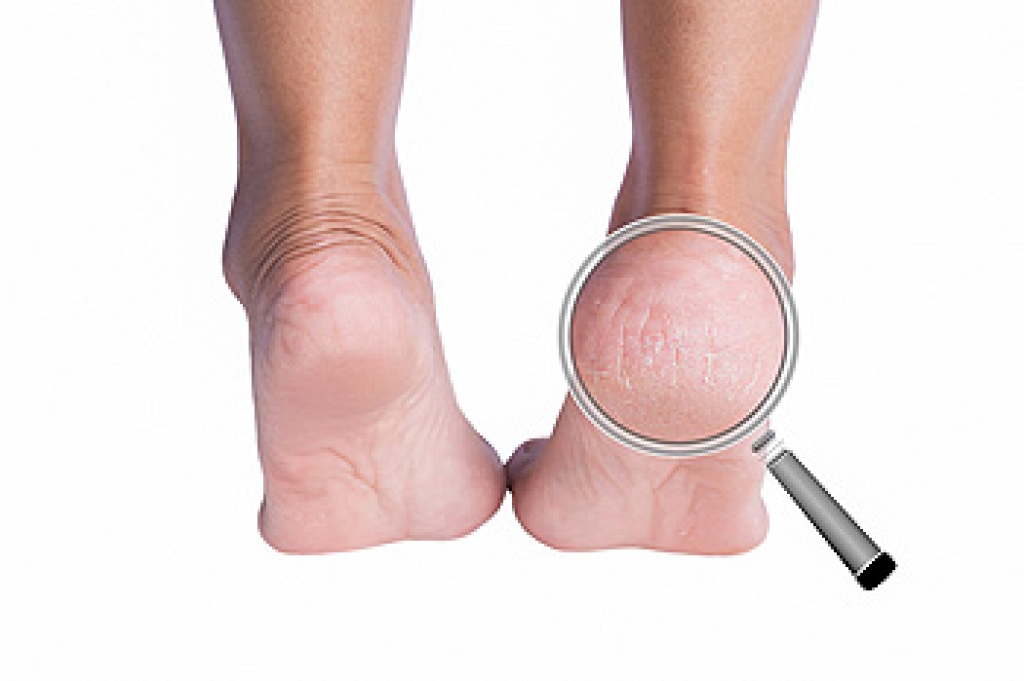
Broken Toes and Podiatric Care

A broken toe is a fracture of one or more of the small bones in the toe, often resulting from sudden trauma. Common causes include a heavy object falling on the foot, or forceful stubbing against furniture or hard surfaces. Symptoms usually involve pain, swelling, bruising, and difficulty walking. Discolored toenails may appear when bleeding occurs beneath the nail. Diagnosis is typically made through a physical exam and imaging, such as X-rays, to confirm the fracture and its severity. Risk factors include sports activities, poor footwear protection, and balance issues. If you have symptoms of a broken toe, it is suggested that you promptly consult a podiatrist who can provide an accurate diagnosis, stabilize the toe, manage pain, and guide proper healing.

Broken toes may cause a lot of pain and should be treated as soon as possible. If you have any concerns about your feet, contact Dr. James D. McAlexander from Gig Harbor Foot and Ankle Clinic. Our doctor will treat your foot and ankle needs.

What Is a Broken Toe?

A broken toe occurs when one or more of the toe bones of the foot are broken after an injury. Injuries such as stubbing your toe or dropping a heavy object on it may cause a toe fracture.

Symptoms of a Broken Toe

  • Swelling
  • Pain (with/without wearing shoes)
  • Stiffness
  • Nail Injury

Although the injured toe should be monitored daily, it is especially important to have a podiatrist look at your toe if you have severe symptoms. Some of these symptoms include worsening or new pain that is not relieved with medication, sores, redness, or open wounds near the toe.

If you have any questions please feel free to contact our office located in Gig Harbor, WA . We offer the newest diagnostic tools and technology to treat your foot and ankle needs.

Read more about What to Know About a Broken Toe

Diabetes and How It Affects the Feet

Diabetes is a chronic condition that affects how the body manages blood sugar and can lead to serious complications in the feet, possibly causing serious conditions to develop. Diabetic neuropathy causes nerve damage that reduces sensation, making it difficult to feel pain or injury. Peripheral vascular disease involves poor blood flow, which slows healing and increases the risk of wounds. Infection may develop when cuts or blisters go unnoticed and worsen without proper care. Additionally, charcot arthropathy is a severe condition where weakened bones and joints collapse, changing foot shape and stability. A podiatrist plays a vital role in diabetic foot care by monitoring circulation and sensation, treating wounds, preventing infection, and identifying early structural changes. If you have diabetes, it is strongly suggested that you are under the care of a podiatrist who can help you to manage this serious condition.

Diabetic foot care is important in preventing foot ailments such as ulcers. If you are suffering from diabetes or have any other concerns about your feet, contact Dr. James D. McAlexander from Gig Harbor Foot and Ankle Clinic. Our doctor can provide the care you need to keep you pain-free and on your feet.

Diabetic Foot Care

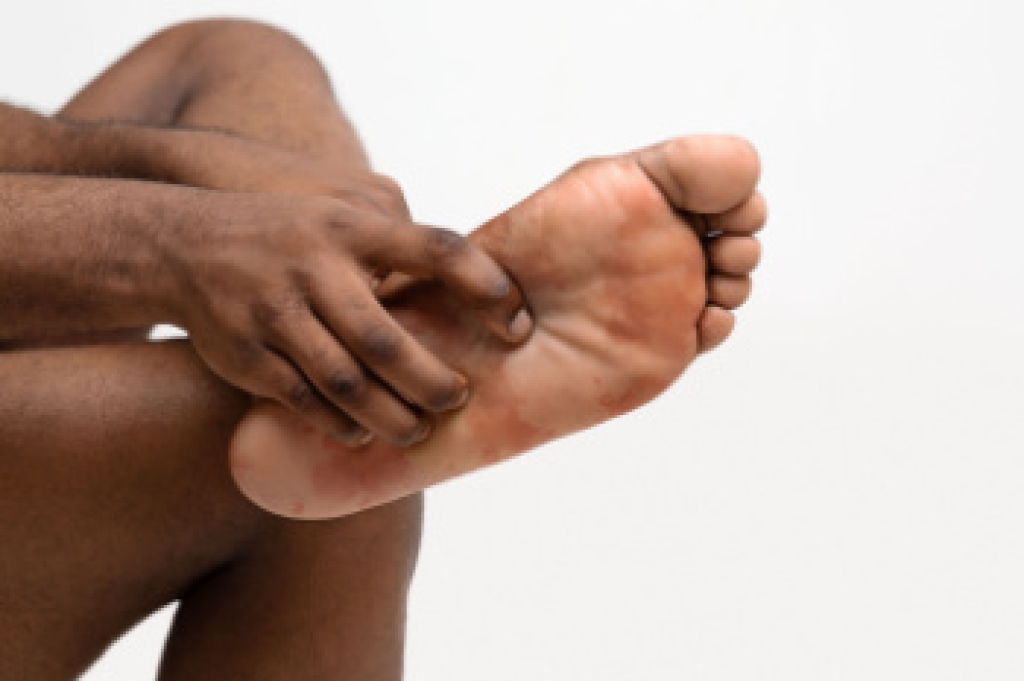
Diabetes affects millions of people every year. The condition can damage blood vessels in many parts of the body, especially the feet. Because of this, taking care of your feet is essential if you have diabetes, and having a podiatrist help monitor your foot health is highly recommended.

The Importance of Caring for Your Feet

  • Routinely inspect your feet for bruises or sores.
  • Wear socks that fit your feet comfortably.
  • Wear comfortable shoes that provide adequate support.

Patients with diabetes should have their doctor monitor their blood levels, as blood sugar levels play such a huge role in diabetic care. Monitoring these levels on a regular basis is highly advised.

It is always best to inform your healthcare professional of any concerns you may have regarding your feet, especially for diabetic patients. Early treatment and routine foot examinations are keys to maintaining proper health, especially because severe complications can arise if proper treatment is not applied.

If you have any questions, please feel free to contact our office located in Gig Harbor, WA . We offer the newest diagnostic and treatment technologies for all your foot care needs.
Read more about Diabetic Foot Care

When Gout Strikes the Foot

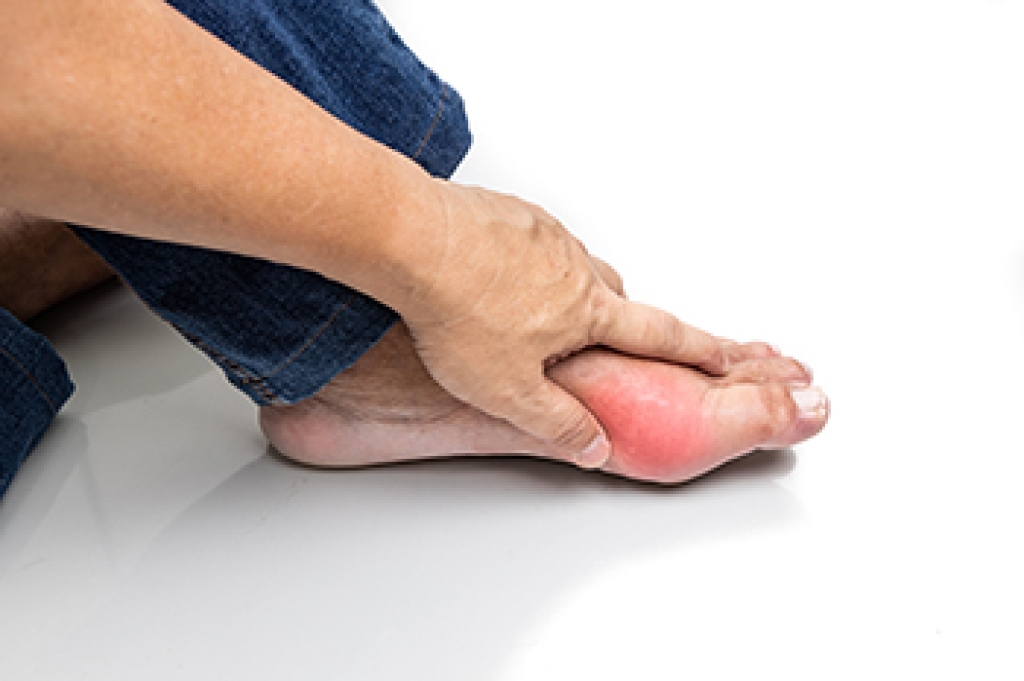
Gout is a painful inflammatory condition that commonly affects the foot, most often the big toe. It is caused by a buildup of uric acid in the blood, which forms sharp crystals inside the joint. The area may look red, shiny, and warm, sometimes with tight or stretched skin. It often feels like sudden intense pain, burning, and extreme tenderness that can make walking or even light contact uncomfortable. Symptoms frequently begin at night and may come on suddenly. Causes include dehydration, kidney problems, and diets high in purines such as red meat, seafood, and alcohol. A podiatrist can help from the start by evaluating symptoms, confirming the diagnosis through examination and imaging, and coordinating lab testing when needed. Treatment may begin with pain and inflammation control, footwear guidance, and activity modification, then move into long-term management, education, and preventive care. If you are dealing with gout, it is suggested that you make an appointment with a podiatrist.

Gout is a painful condition that can be treated. If you are seeking treatment, contact Dr. James D. McAlexander from Gig Harbor Foot and Ankle Clinic. Our doctor will treat your foot and ankle needs.

What Is Gout?

Gout is a form of arthritis that is characterized by sudden, severe attacks of pain, redness, and tenderness in the joints. The condition usually affects the joint at the base of the big toe. A gout attack can occur at any random time, such as the middle of the night while you are asleep.

Symptoms

  • Intense Joint Pain - Usually around the large joint of your big toe, and it most severe within the first four to twelve hours
  • Lingering Discomfort - Joint discomfort may last from a few days to a few weeks
  • Inflammation and Redness -Affected joints may become swollen, tender, warm and red
  • Limited Range of Motion - May experience a decrease in joint mobility

Risk Factors

  • Genetics - If family members have gout, you’re more likely to have it
  • Medications - Diuretic medications can raise uric acid levels
  • Gender/Age - Gout is more common in men until the age of 60. It is believed that estrogen protects women until that point
  • Diet - Eating red meat and shellfish increases your risk
  • Alcohol - Having more than two alcoholic drinks per day increases your risk
  • Obesity - Obese people are at a higher risk for gout

Prior to visiting your podiatrist to receive treatment for gout, there are a few things you should do beforehand. If you have gout you should write down your symptoms--including when they started and how often you experience them, important medical information you may have, and any questions you may have. Writing down these three things will help your podiatrist in assessing your specific situation so that he or she may provide the best route of treatment for you.

If you have any questions, please feel free to contact our office located in Gig Harbor, WA . We offer the newest diagnostic and treatment technologies for all your foot care needs.
Read more about Everything You Need to Know About Gout

Reminder: When Was the Last Time...?

Custom orthotics, or shoe inserts, should be periodically replaced. Orthotics must fit properly to give you the best results. Protect your feet and ankles!

Running Shoes for Comfort and Performance

Selecting the right running shoes starts with understanding your running style and how your feet move during activity. Your terrain also matters, since running on roads, tracks, or uneven surfaces places different demands on your feet. Distance plays a role as well, because longer runs often require more support and cushioning to reduce fatigue and strain. Personal preferences such as fit, flexibility, and overall comfort should never be overlooked, as the best shoe is one you feel confident wearing consistently. Wearing the wrong shoes can lead to foot pain, blisters, and overuse injuries. A podiatrist can evaluate your gait, foot structure, and training habits to recommend shoes that match your needs and help prevent injury. If running discomfort is slowing you down, it is suggested that you consult a podiatrist who can treat various foot conditions, and guide you on appropriate running shoes to wear.

You should always make sure your running shoes fit properly in order to avoid injury. For more information, contact Dr. James D. McAlexander from Gig Harbor Foot and Ankle Clinic. Our doctor can provide the care you need to keep you pain-free and on your feet.

Choosing the Right Running Shoe for Your Foot Type

Improper shoe sizing can cause a myriad of problems for your feet. Shoes that don’t fit you properly can lead to muscular imbalances in your body, which can result in foot, knee, and hip injuries.

Tips for Finding the Right Running Shoe

  • Make sure you have a thumb’s width of wiggle room between the end of your longest toe and the front of the shoe.
  • There should be little to no slipping at the heel
  • Don’t assume your size in one shoe brand will be your size in another
  • Do not lace up your shoes too tightly
  • Walk around in the store with your new shoes before you buy them

If you have any questions, please feel free to contact our office located in Gig Harbor, WA . We offer the newest diagnostic and treatment technologies for all your foot care needs.

Read more about Differences between Walking and Running Shoes

Connect With Us

scroll to top